


Aluminium Sliding Windows for Bedrooms in India: A Complete Guide
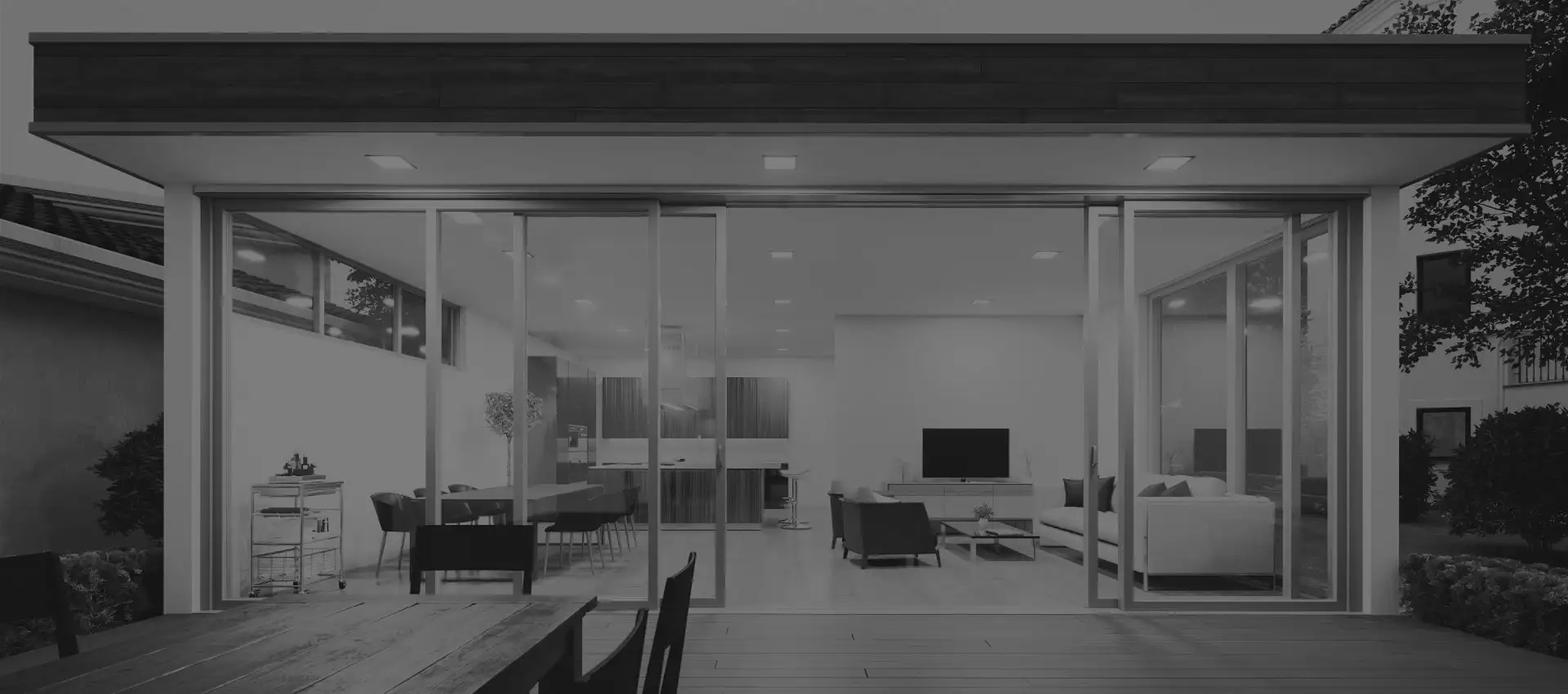
House Within Location: Mohali Architect: Arch Lab
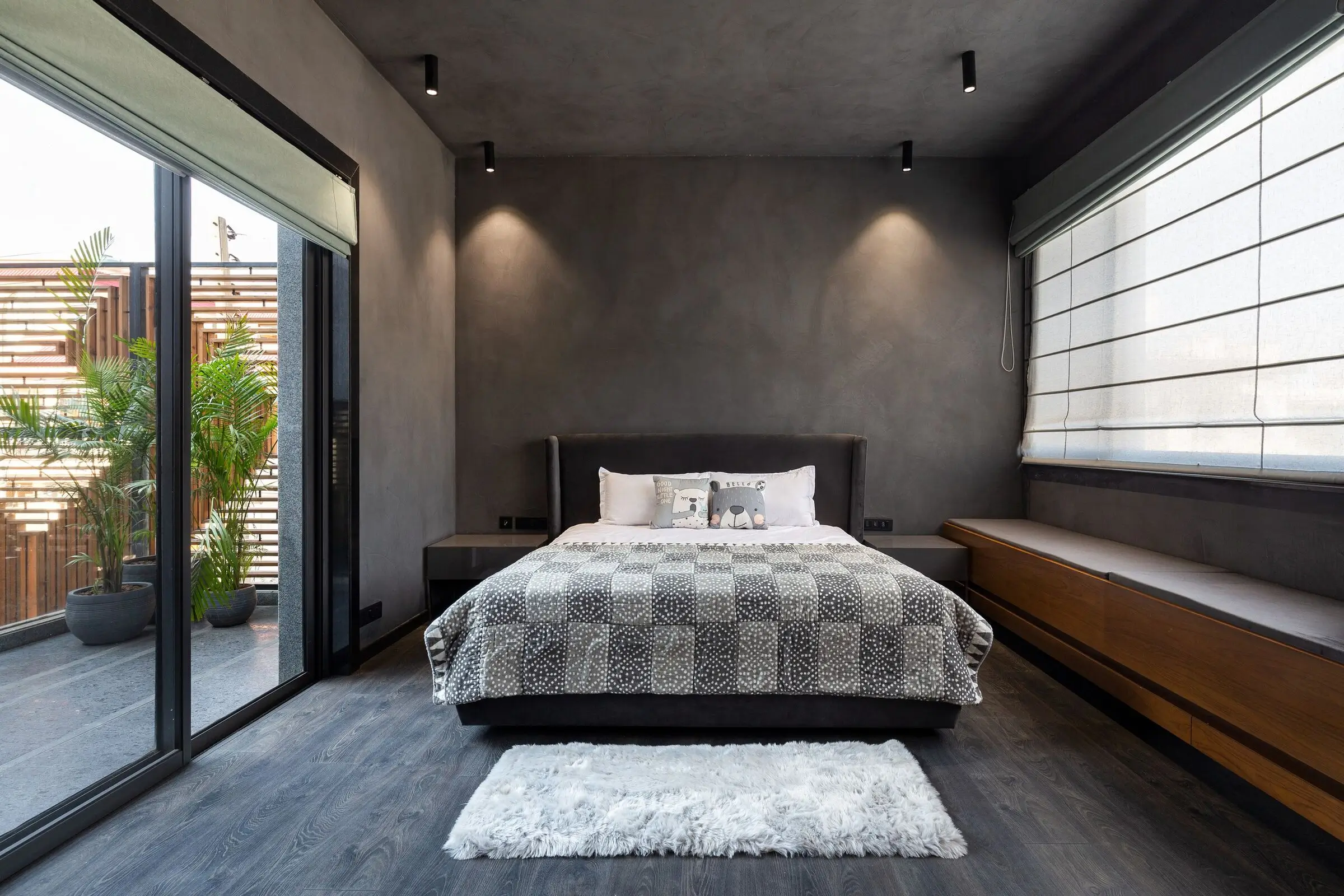
Aluminium sliding windows for bedrooms in India have to do three jobs at once, and most people only think about one of them at the time of buying. You want air moving through the room at night. You don’t want the street seeing in.
And you don’t want every passing auto-rickshaw or late-night conversation outside waking you up. Most bedroom windows get chosen on how they look in a catalogue, and the ventilation, privacy, and noise problems only show up after moving in.
This guide walks through what a bedroom window actually needs to get right, where sliding windows genuinely help, and where they need a bit of extra thought.
Why Bedroom Windows Need a Different Approach
A living room window mostly needs to look good and let in light. A bedroom window has to manage airflow while you sleep, keep the room private from the street or a neighbouring building, and hold back enough outside noise that you’re not lying awake at midnight listening to a dog bark three houses down. Living rooms, kitchens, and bathrooms don’t carry all three demands at once quite like this.
Get the window wrong here, and it shows up in ordinary, everyday ways. A stuffy room by morning. A curtain that has to stay shut all day because the window faces a building fifteen feet away. A light sleeper who wakes at 2 am every time a truck passes.
None of these is dramatic problems, but they add up over months of living with a window that wasn’t specified for the room it’s in.
Are Aluminium Sliding Windows Right for Bedrooms?
Sliding windows work well in bedrooms mainly because they don’t eat into the room. No swing space over the bed, no furniture rearrangement to make room for a door-style window. They’re also simple to fit with a mosquito mesh, which matters more in a bedroom than almost anywhere else in the house.
Where they fall a bit short is airtightness.
A sliding sash rests against the track rather than compressing into the frame, so casement windows generally seal tighter and block more noise when closed. If the bedroom faces a quiet courtyard, that difference barely matters. If it faces a main road, it’s worth weighing casement seriously before defaulting to sliding out of habit.
As a rule of thumb, sliding suits bedrooms with average space constraints and moderate noise exposure. Casement earns its keep in ground-floor rooms on busy streets, or anywhere sound insulation matters more than saving a few inches of clearance.
Getting Ventilation Right
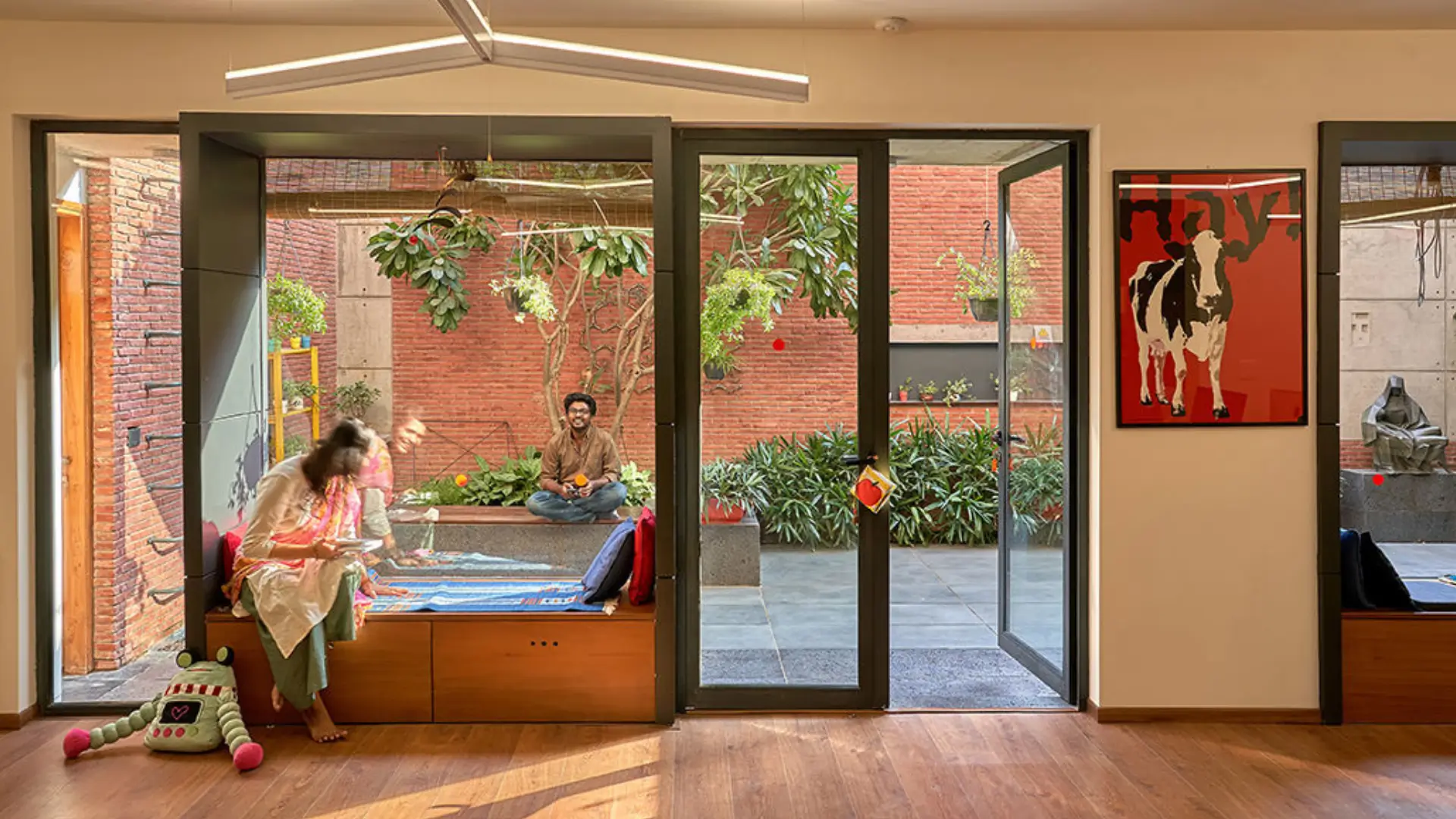 A sliding window only ever opens to about half its total area, since one panel always sits behind the other. That’s fine for most Indian bedrooms, but the window needs sizing a bit larger than you’d think if cross-ventilation is weak.
Two-track sliders are the standard and work fine for most rooms.
Three-track systems add a fixed or extra sliding panel, increasing openable width without needing a wider wall opening, useful where the window itself can’t be made any bigger.
For bedrooms without a second wall to cross-ventilate through, a slightly oversized window or a small fixed transom above it helps more than people expect, since it gives hot air somewhere to escape even when the main sash is only partly open.
Mesh is worth deciding on early: retractable tucks away for cleaning, fixed is cheaper but permanent.
Privacy Without Losing Light
Ground-floor and lower-floor bedrooms are where privacy becomes a real design problem.
Frosted or obscure glass on the lower half of the sash, with clear glass above, is a common compromise that keeps the room private without turning it into a box.
Tinted glass helps a little with privacy but really solves a heat problem.
So don’t rely on tint alone if a neighbour’s window looks straight in. Privacy films are something you can consider, since they can be applied to existing clear glass without replacing the unit. It is useful if a new building goes up next door after your windows are already fitted.
Slim frame profiles can work against privacy a little, since more glass means more visibility from outside. Sill height matters too: a higher sill naturally blocks a direct sightline from ground level without needing frosted glass at all.
Noise Control Through the Window
India’s permissible ambient noise limit for residential areas sits at 55 decibels in the day and 45 at night, and most Indian cities run well above that near main roads. A poorly sealed single-glazed sliding window does almost nothing to bring outside noise down to a comfortable level.
Double glazing is the single biggest lever here.
A well-built DGU cuts outside noise noticeably compared to single glazing, and laminated glass adds another layer of sound dampening on top of that, since the interlayer between the panes absorbs vibration rather than letting it pass straight through.
ALCOI’s own testing on its soundproof aluminium window systems shows up to 95% of unwanted outside noise blocked with the right glass and sealing combination, which is the kind of difference that actually changes how a bedroom feels at night.
Sealing quality matters just as much as the glass.
A DGU sitting in a poorly gasketed frame will still let noise leak in around the edges, so it’s worth asking specifically about the seal, not just the glazing spec.
Choosing Glass by Orientation
An east-facing bedroom gets gentle morning sun, so clear glass with standard sealing usually does the job without extra heat control.
West-facing rooms are the opposite, catching the harshest afternoon sun, so Low-E or tinted glass earns its cost here more than almost anywhere else in the house.
South-facing windows sit in between and often do well with a moderate solar control glass rather than the strongest tint available.
North-facing bedrooms rarely need anything special, since they get soft, indirect light most of the day, though double glazing is still worth it if noise is the bigger concern.
Coastal and humid cities add one more factor: UV exposure and moisture resistance matter more here than in drier inland regions, worth confirming before committing to a glass and coating spec.
Size and Design That Actually Fits the Room
Standard bedroom windows in Indian apartments tend to sit in a fairly narrow size band, but the right width for your room really comes down to the wall length and the 10% floor-area rule most builders already design around.
A slim profile sliding window suits a smaller bedroom where every inch of glass helps the room feel bigger, while a full-height sliding window works better in larger rooms with the wall space to support it structurally.
Hardware and frame colour are worth matching to the rest of the room’s palette rather than treated as an afterthought, since a mismatched black handle on a white frame is the kind of small detail that stands out once you notice it.
ALCOI’s Sliding Systems for Indian Bedrooms
ALCOI’s AluLITE sliding system is built specifically around this kind of residential use, with mesh integration and glazing options suited to bedroom-scale openings. Every system is tested for air tightness and water sealing rather than just glazing performance on paper. ALCOI’s balcony window systems, for instance, are tested watertight to EN 1027 Class 9A, and the same testing discipline carries across to the residential sliding range.
Sizing, glass configuration, and finish are all specified per project rather than sold off a fixed size chart. If you’d like a recommendation for a specific bedroom, ALCOI’s team can walk through the options with you directly.
Frequently Asked Questions
Are aluminium sliding windows good for bedrooms in India?
Yes, for most bedrooms, especially where space is tight, and noise exposure is moderate.
Which is better for a bedroom, sliding or casement aluminium windows?
Sliding suits most bedrooms; casement wins in rooms facing busy roads where sealing matters more.
What glass should I use for a west-facing bedroom window to reduce heat?
Low-E or tinted glass, since west-facing rooms take the harshest afternoon sun.
How do I get privacy in bedroom sliding windows without blocking light?
Frosted glass on the lower half with clear glass above, or a privacy film on existing glass.
Do aluminium sliding windows reduce noise from roads and traffic?
Yes, significantly with double glazing and proper sealing, far less with basic single glazing.
What is the standard size for a bedroom window in Indian homes?
It varies by room size, generally set around 10% of the floor area under NBC guidelines rather than one fixed number.
Does ALCOI India supply aluminium sliding windows for bedroom projects in custom sizes?
Yes, sizing, glass, and finish are specified per project rather than fixed.