

Are Aluminium Windows Worth the Cost for Indian Homes?
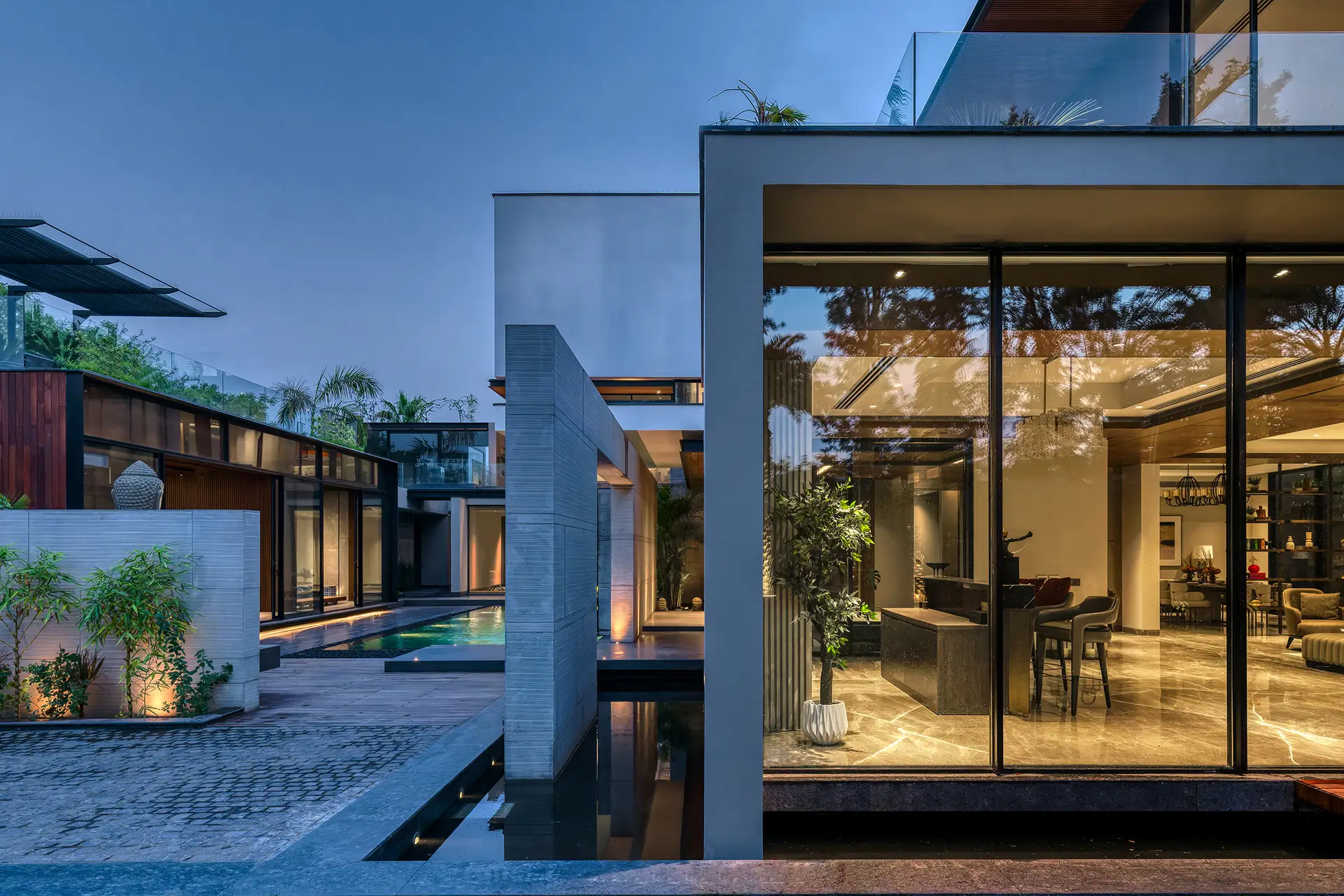
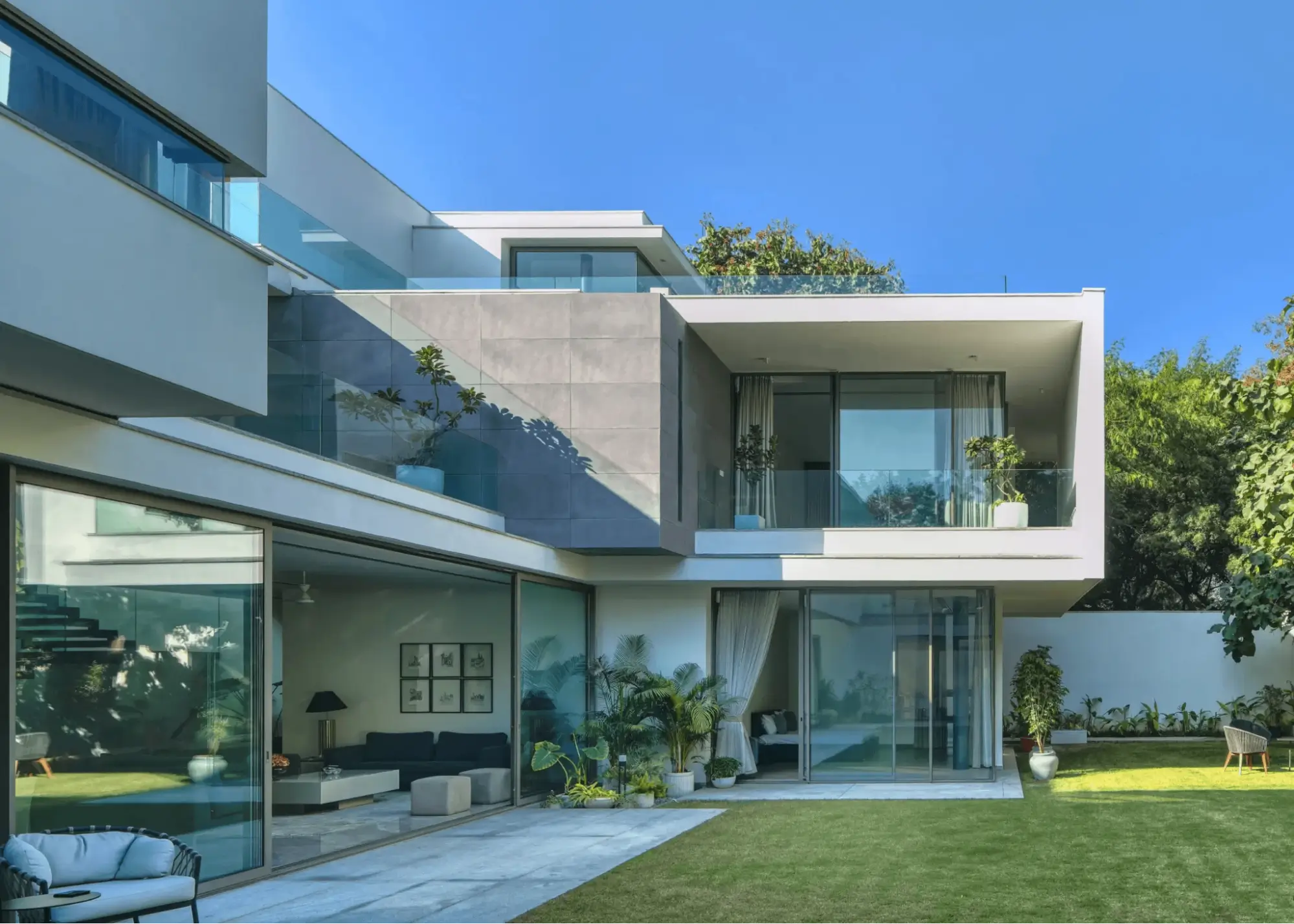
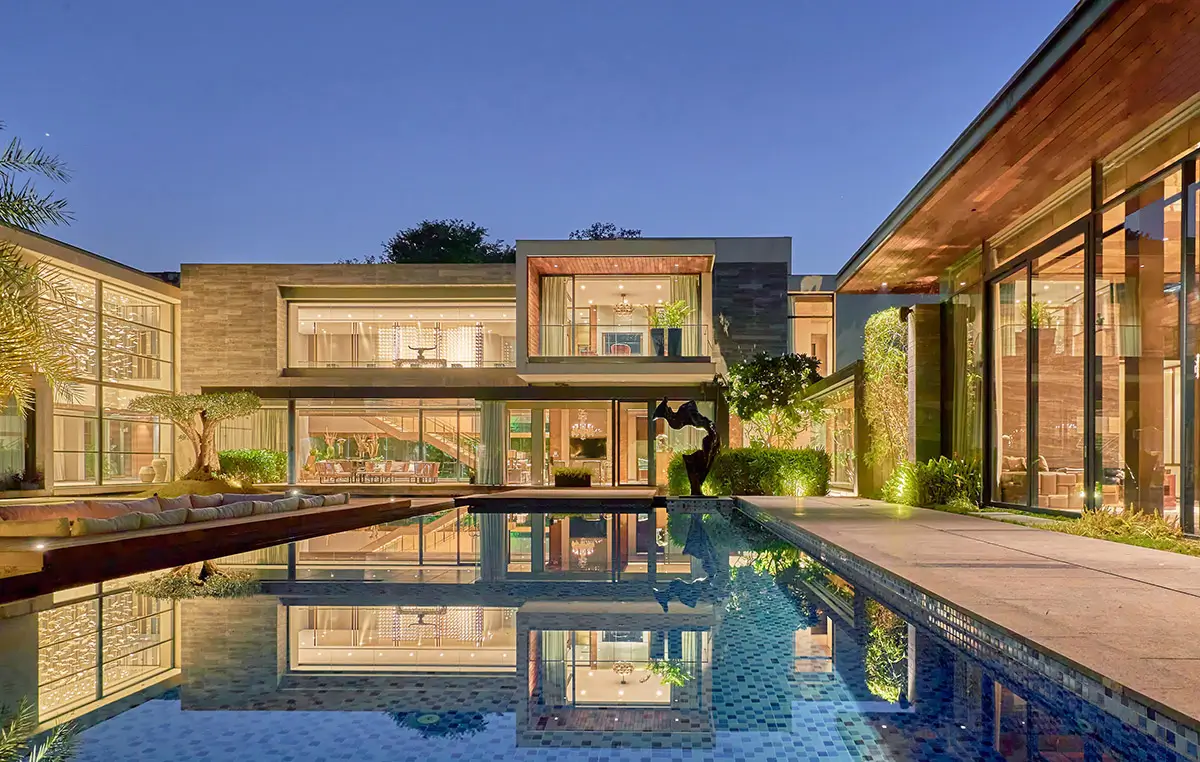
Porch House Location: New Delhi Architect: DADA & Partners Year of Completion: 2018 Area: 18,000 sqft.
Are aluminium windows worth it in India?
For most homeowners, yes, but that answer only holds if you buy the right grade based on what you actually need.
The frustrating part of window shopping is getting two quotes for what looks like the same product on paper, with one coming in nearly three times higher than the other. Nobody explains why until you’ve already signed to get the cheaper one.
That gap usually comes down to alloy quality, glass type, and whether the frame is the right one based on your needs. This piece breaks down what you’re actually paying for, when the extra cost earns its keep, and when it doesn’t.
Why This Question Deserves a Straight Answer
Upfront cost is the number everyone fixates on, but it’s only one part of what you’re actually paying over the life of a window. A cheaper frame that needs repainting every three years or replacing after a decade costs more in the end than a pricier one that just keeps working.
Most buyers asking whether aluminium windows are worth it are really comparing three things without realising it: aluminium against uPVC, a basic fabricated window against a certified system window, and the cost of doing it right the first time against the cost of redoing it later.
What Aluminium Windows Actually Cost in India
Aluminium windows aren’t priced as one product. Basic fabricated sliding or fixed windows sit at the lower end of the market. Casement windows cost a bit more because of the extra hardware. System windows, built with tested profiles, proper gaskets, and certified hardware, sit well above both, sometimes several times the price of a basic fabricated equivalent for the same opening size.
What actually drives that gap is the alloy grade, wall thickness, glass specification, and whether the hardware is genuinely anti-corrosive or just looks it. Two quotes can list “aluminium sliding window” identically and still differ hugely once you check what’s behind that label.
Installation cost usually gets bundled into the quote, but not everything is. Site preparation, structural reinforcement for larger openings, and disposal of old windows during a renovation often show up as separate line items, so it’s worth asking exactly what’s included before comparing two quotes side by side.
The hidden cost shows up later, not at installation. Buyers who go with a poorly specified system often end up paying for hardware replacement, reseal work, or leak repair within a few years, costs that were never in the original quote but should have been anticipated.
What You Get for the Money: Performance Benefits
Good quality aluminium windows in Indian conditions routinely last 20 to 25 years with basic upkeep, well beyond what most wood windows manage without repeated repainting and repair. Maintenance cost is where the gap compounds over time. A wood frame needs regular sealing and repainting, and a poorly coated steel frame will eventually rust in humid regions. Aluminium, properly powder-coated, mostly needs an occasional clean.
Energy performance is real but depends entirely on the glazing. A well-sealed system window with double glazing measurably cuts heat gain on a hot facade compared to a basic single-glazed frame, which shows up as a smaller cooling load rather than a dramatic bill change.
Noise reduction follows the same logic. A tight-sealing casement with double glazing makes a real, noticeable difference for a bedroom near a busy road, while a loose-fitting basic sliding window barely helps at all. Security holds up similarly well over years of daily use, since aluminium hardware doesn’t seize or corrode the way lower-grade steel fittings often do.
Aluminium vs uPVC vs Wood vs Steel: Is the Cost Justified?
Aluminium and uPVC sit closest in price, and the honest comparison depends on the opening. Aluminium generally handles larger spans and slimmer sightlines better, while uPVC often edges ahead on thermal insulation in very hot or very cold climates. For most Indian cities, where the bigger concern is heat and monsoon moisture rather than deep cold, aluminium tends to be the more practical pick.
Wood looks warmer but demands ongoing maintenance that aluminium simply doesn’t. Over ten or fifteen years, the repainting, sealing, and occasional replacement adds up to real money that a one-time aluminium frame avoids entirely.
Steel is strong but heavy, and it corrodes in humid or coastal regions unless it’s properly treated and maintained, which adds its own recurring cost. Aluminium’s natural resistance to corrosion holds up without that upkeep.
System windows versus standard fabricated ones is really a bet on how long you’ll own the property. For a short-term flip, a basic fabricated window may be fine. For a home you’re building to live in for decades, the difference between system and standard aluminium windows tends to pay for itself well before the tenth year.
When Aluminium Windows Are Clearly Worth It
- Large glass openings and wide spans, where aluminium’s strength-to-weight ratio makes it the only practical frame choice
- Coastal or high-humidity locations, where corrosion resistance directly protects your investment over time
- High-rise apartments with real wind load requirements at height
- Homes near busy roads, metro lines, or airports, where the noise reduction alone justifies the extra spend
- Premium renovations where resale value depends on how the finished product looks and performs
When Aluminium Windows May Not Be the Right Choice
Very small budget builds, where a basic fabricated window will genuinely do the job, don’t need premium system glazing. Rooms where light and ventilation aren’t priorities, like a storeroom or a rarely used utility space, rarely justify the higher spec either. And in some cases, standard uPVC already meets the requirement well enough that upgrading to aluminium adds cost without adding real benefit.
Getting Maximum Value From Your Investment
Choosing a certified manufacturer over the cheapest quote is the single biggest decision here. Get the glass specification matched to your orientation and climate rather than defaulting to whatever’s cheapest on the quote. Installation quality is where a lot of the value gets lost or protected, since even a well-made window fails early if it’s fitted badly.
And basic maintenance, an occasional clean and a yearly check of gaskets and rollers, extends the system’s working life by years for very little effort.
ALCOI India: Built to Justify the Investment
ALCOI’s AluFIT and AluBUILD systems are priced around what’s actually inside them: certified profiles under IS 1948:2024, tested glazing, and hardware built for years of daily use rather than a showroom demo. You can see how these systems perform over the long term in more detail, and a full breakdown of current aluminium window pricing and installation costs is available if you’re comparing quotes right now.
Frequently Asked Questions
Are aluminium windows more expensive than uPVC in India?
Aluminium windows are often priced similarly to or slightly below uPVC for standard specifications, though premium system windows in either material can cost significantly more.
How long do aluminium windows last in Indian climate conditions?
Good quality aluminium windows typically last 20 to 25 years with basic maintenance.
Do aluminium windows actually reduce electricity bills in Indian homes?
Well-sealed, properly glazed aluminium windows reduce cooling load noticeably, which shows up as a smaller electricity bill.
Are aluminium windows worth it for a 2BHK apartment in India?
Yes, for most 2BHK apartments, especially where balcony doors or living room openings are larger. Bedrooms and smaller rooms can often use a simpler specification without losing much value.
What is the difference in cost between system and standard aluminium windows?
System windows generally cost several times more per square foot than basic fabricated windows, largely because of certified profiles, tested glazing, and better hardware, though the exact gap varies by supplier and specification.
How much do aluminium windows cost per sq ft in India?
Costs vary widely by type and specification. As a general reference, sliding windows tend to fall in a lower band, casement windows somewhat higher, and system windows well above both. For current, specific pricing, it’s best to check ALCOI’s pricing guide or request a project-specific quote.
Does ALCOI India offer aluminium windows that justify their cost over cheaper alternatives?
Yes. ALCOI’s systems are built to IS 1948:2024 with documented performance data, so the pricing reflects certified materials and tested hardware rather than just a brand name.