

Introduction
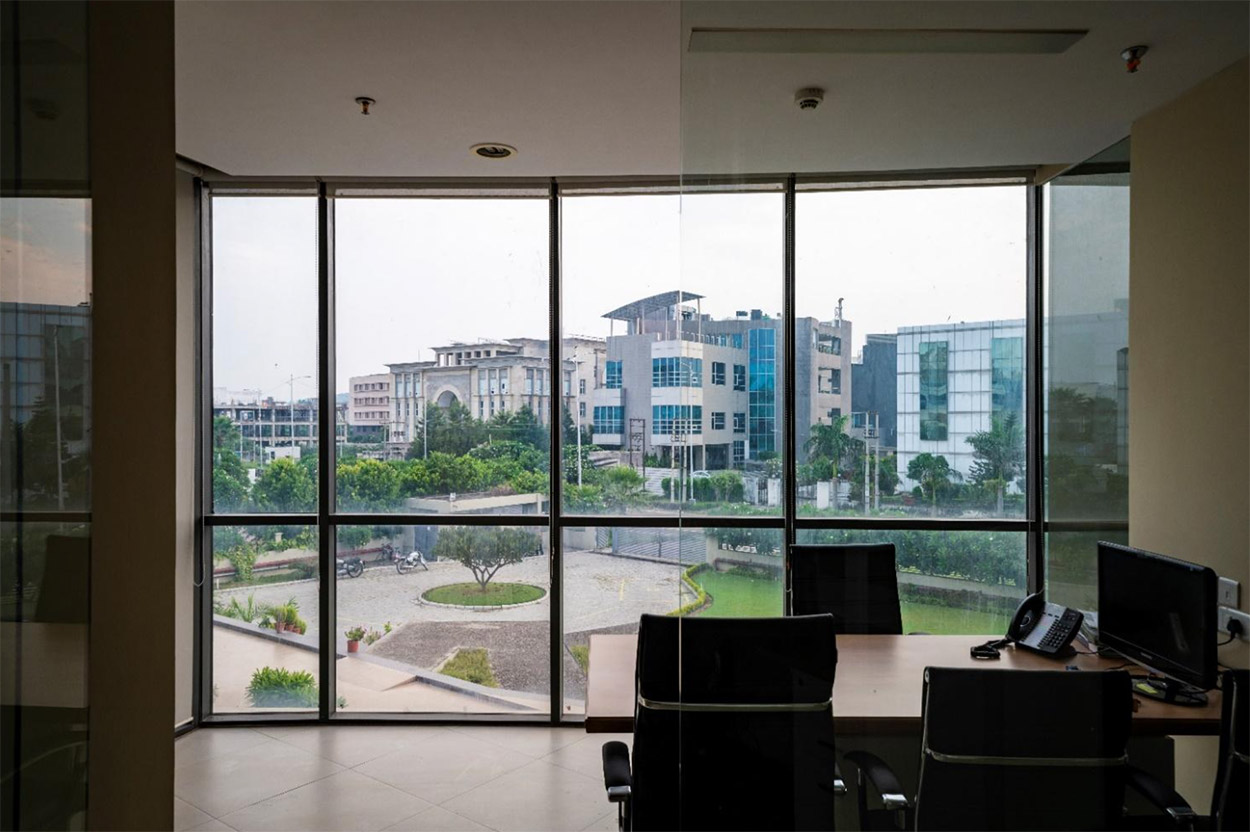
Modern architectural design in commercial and residential buildings has increasingly embraced glass as a fundamental facade material. This shift is largely attributed to the aesthetic appeal, energy efficiency, and environmental benefits offered by glazed facades. Among the array of contemporary glazing techniques, unitised and semi-unitised systems have gained significant prominence. Their advantages such as accelerated construction timelines, enhanced thermal performance, and architectural versatility make them highly suitable for today’s design and construction demands. Below, we unpack their key attributes, advantages, disadvantages, and the types of projects they best serve.
Unitized Glazing System
Definition and Components:
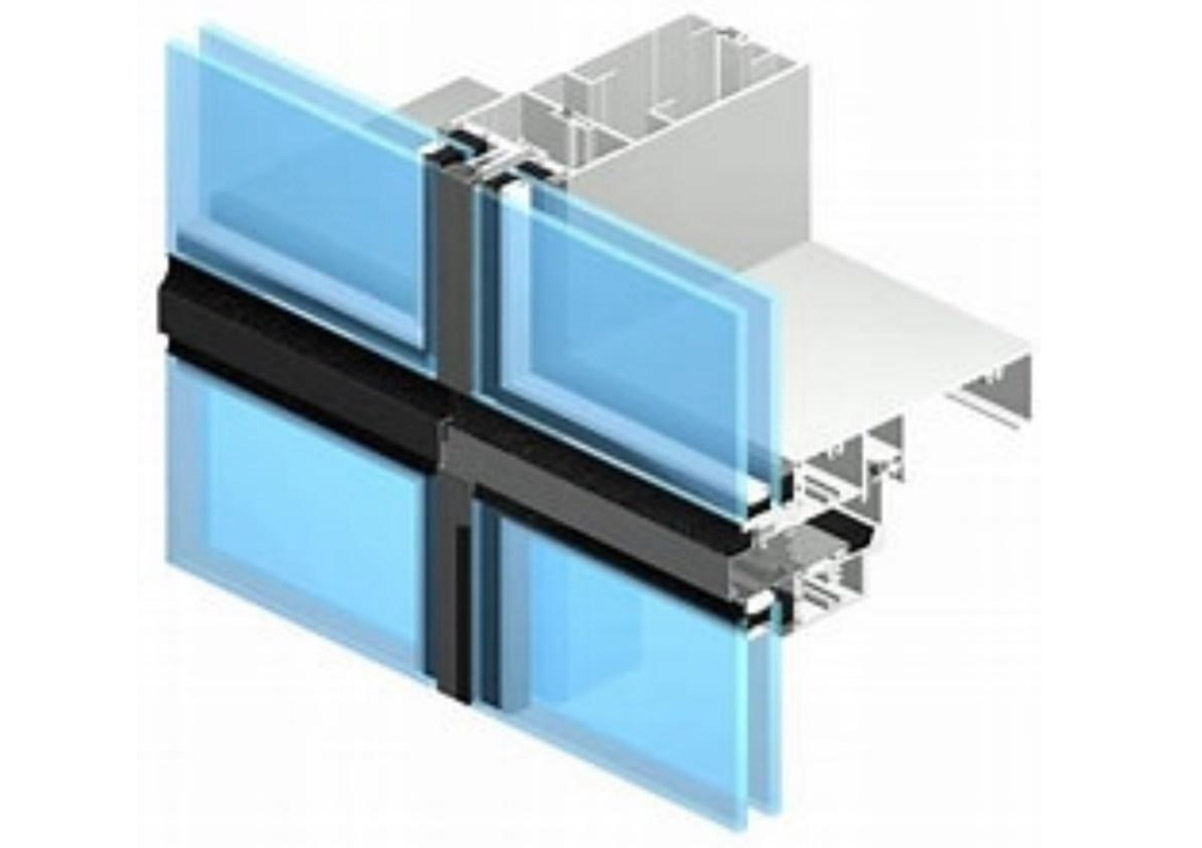
The unitised glazing system is a prefabricated curtain wall solution wherein large panels—consisting of glass and supporting elements—are pre-assembled and pre-glazed within a controlled factory environment. These complete units are then transported to site and installed directly onto the building’s structural framework.
Each unit typically comprises the following elements:
- Glass Panels: The primary visible, transparent components, often configured as double- or triple-glazed units to improve thermal insulation.
- Aluminium Frames: Provide structural support to secure the glass panels in place.
- Insulation: Incorporated between layers of glass to enhance energy efficiency and reduce noise transmission.
- Gaskets and Sealants: Ensure weather-tightness and prevent water infiltration.
Characteristics:
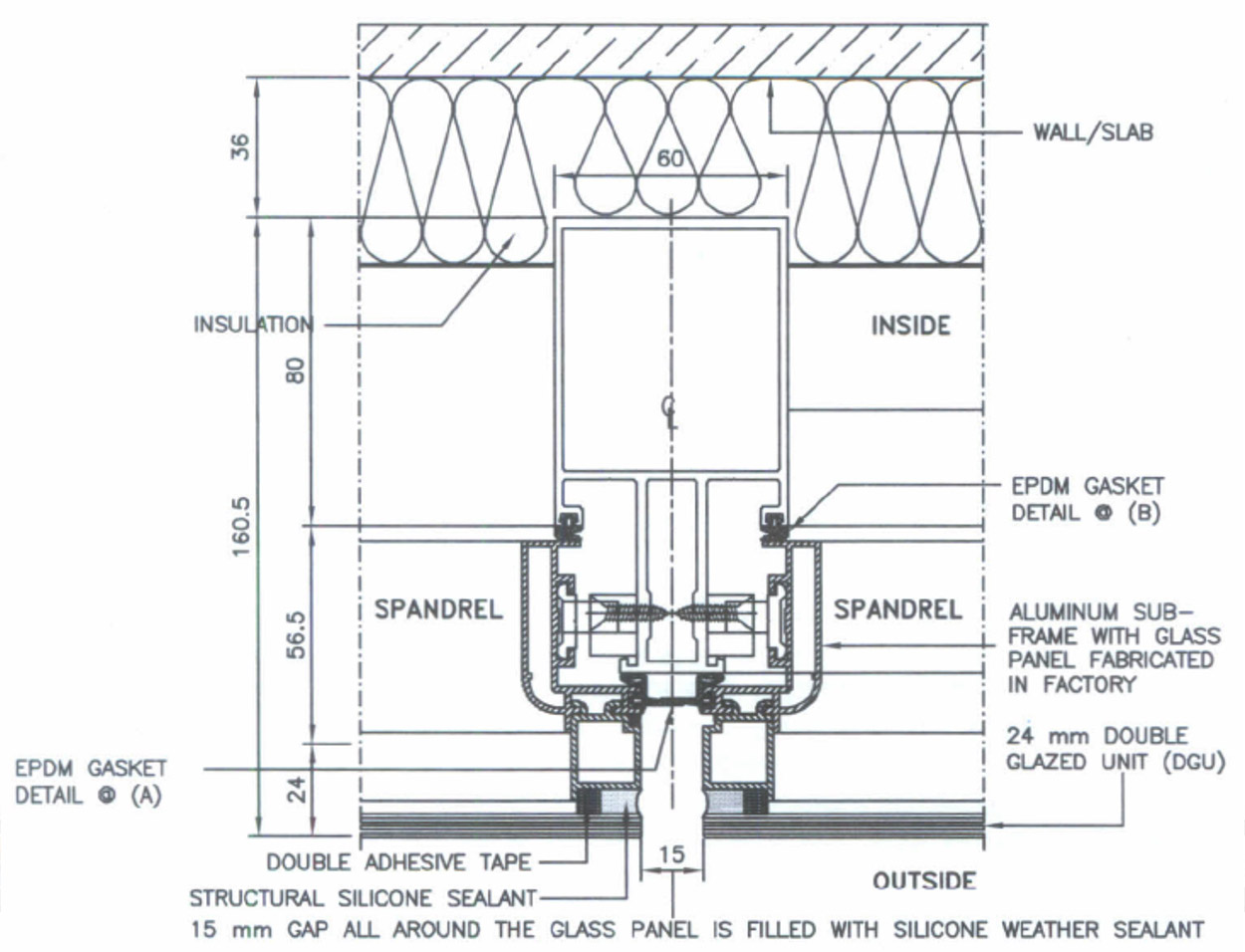
- Factory Assembled: Pre-glazing and assembly in a controlled setting ensures consistent quality and minimises on-site labour requirements.
- Large Units: Each unit covers a substantial section of the facade, minimising the number of joints and potential leakage points.
- Expedited Installation: Off-site prefabrication results in faster on-site assembly, thereby reducing overall construction time.
- High Performance: These systems are recognised for excellent thermal and acoustic insulation due to the use of high-performance materials.
Advantages:
- Enhanced Quality Control: Factory assembly enables precision and uniformity, significantly lowering the risk of defects.
- Reduced Construction Time: Prefabrication shortens the installation timeline, facilitating faster project completion.
- Improved Weather Resistance: Sealing and assembly under controlled conditions result in superior protection against water and air infiltration.
- Minimal On-Site Disruption: Reduced need for site-based labour and material handling limits disturbances during construction.
- Design Flexibility: Capable of accommodating complex geometries and expansive glazed surfaces.
Semi-Unitized Glazing System
Definition and Components:
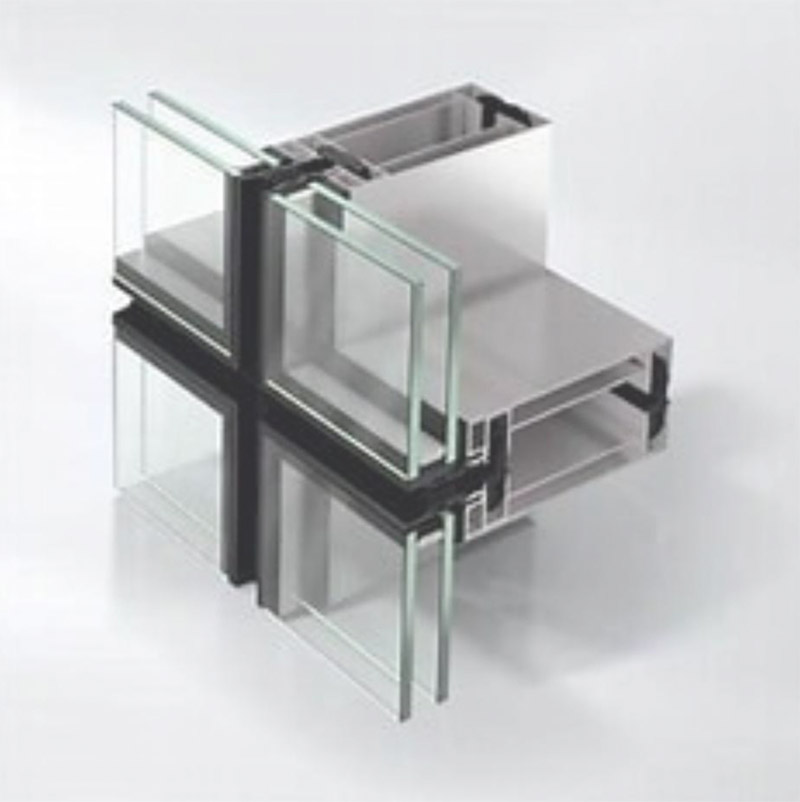
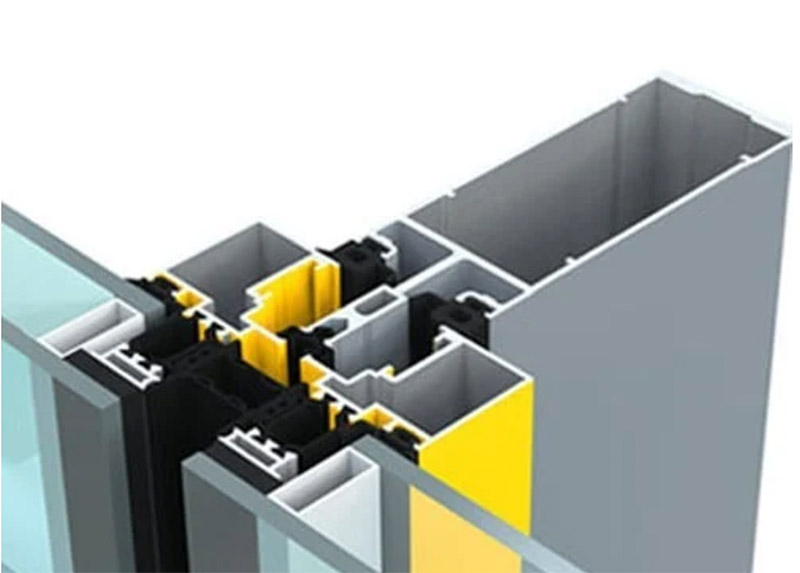
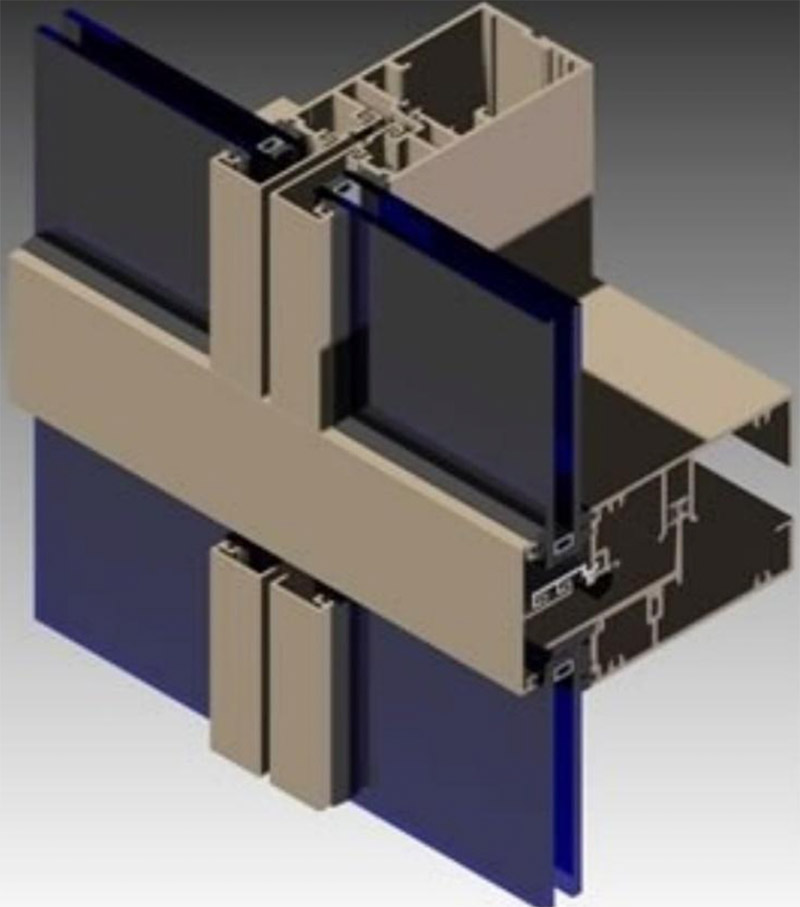
Semi-unitized glazing system is a hybrid curtain wall system that incorporates elements of both unitised and conventional stick-built systems. In this configuration, the primary framing elements such as mullions and transoms are assembled and installed on site, while the glass panels are pre-glazed and attached to the framing systems during the installation process.
Key components include:
- Mullions and Transoms: Vertical and horizontal structural elements assembled on-site to support the glazing.
- Glass Panels: Pre-glazed units prepared off-site and installed on the on-site framing system.
- Sealants and Gaskets: Employed to ensure watertightness and thermal insulation between panels and frame.
Characteristics:
- On-Site Assembly: While the glass units are pre-glazed, the supporting framework is installed on location, offering a balance of control and flexibility.
- Smaller Panel Sizes: Compared to unitised systems, panel dimensions are reduced, easing transportation and handling.
- Increased Installation Flexibility: The on-site nature of frame assembly allows for real-time adjustments to accommodate site-specific conditions.
Advantages:
- Cost-Effectiveness: Lower initial investment due to reduced reliance on full factory assembly.
- Site-Specific Adaptability: Greater capacity to accommodate unforeseen conditions or design modifications during installation.
- Simplified Logistics: Smaller panel dimensions facilitate easier transport and handling, particularly in constrained urban environments.
- Balanced Performance: Offers an effective compromise between the precision of unitised systems and the affordability of stick-built alternatives.
Applications of Unitized and Semi-Unitized Glazing Systems
Unitized Glazing Applications:
Ideally suited to high-rise developments, commercial towers, complex designs, and large-scale projects requiring rapid construction with high performance and quality standards. Unitised glazing is also well-suited to climates with severe environmental conditions due to its excellent weatherproofing capabilities.
Semi-Unitized Glazing Applications:
Semi-unitized glazing systems are typically used in mid-rise buildings, commercial complexes, and projects with budget constraints. They offer a practical balance between design flexibility and cost efficiency and are often chosen for straightforward designs where on-site adjustments may be required.
Conclusion
Unitized and semi-unitized glazing systems are among the most advanced solutions for delivering modern, efficient, and visually striking facades. Unitized systems offer higher quality, faster installation, and better performance but involve greater upfront costs and logistical demands. Semi-unitized systems, by contrast, provide a more economical and flexible alternative, though with some compromise in quality and installation speed.
The choice between unitized and semi-unitized systems depends on factors such as budget, timeline, design complexity, and performance requirements. By carefully assessing these, architects, engineers, and builders can determine the most suitable glazing solution to meet both aesthetic and functional objectives.
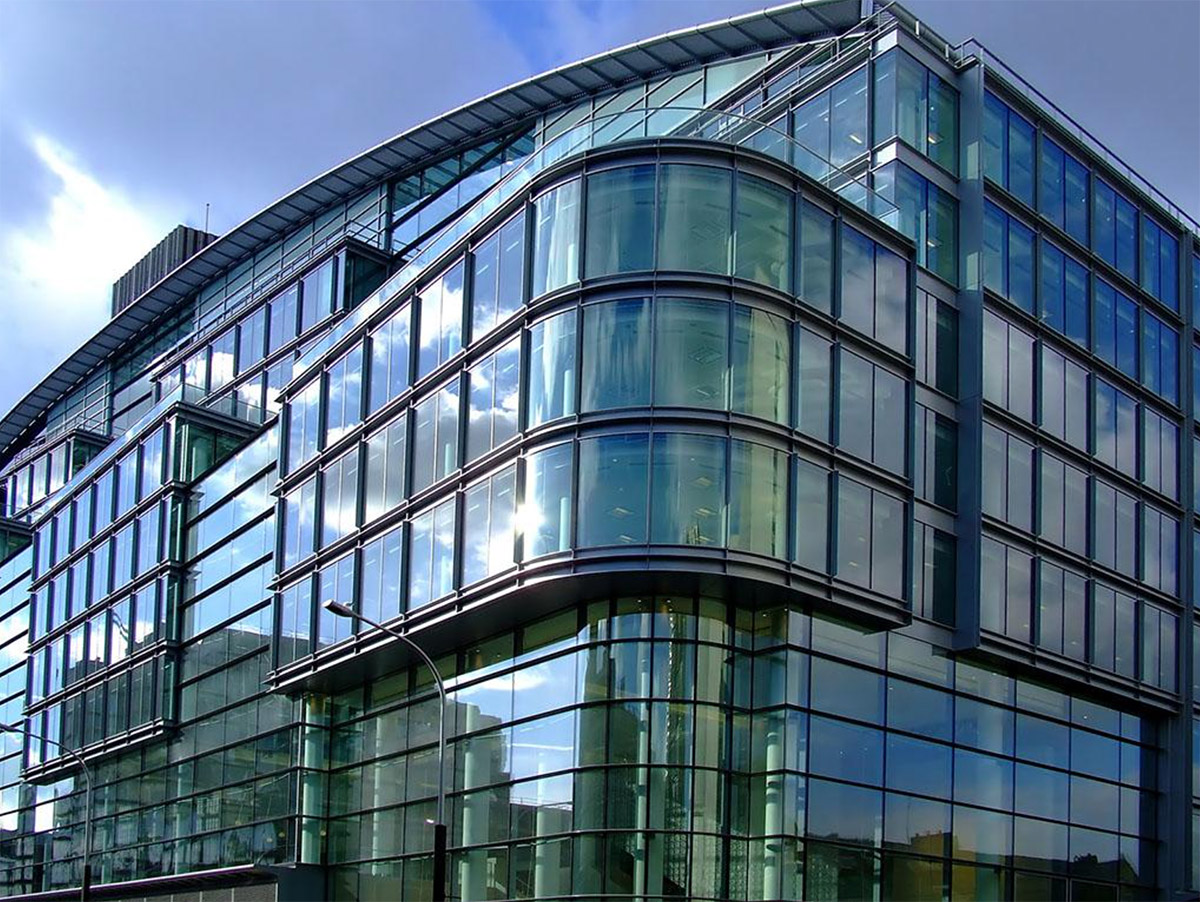
The design creates the exceptional, where science and art break even to create seamless boundaries, blurring the fine line between the indoors and the outdoors.