

System Windows vs Traditional Aluminium Windows: A Technical Breakdown
Choosing the right aluminium windows for a building can feel confusing.
There are so many terms, types, and features to understand. Two options that often come up are system aluminium windows and traditional aluminium windows. Both look similar, and both use aluminium, but they work very differently once you look closely.
In this blog, we explain these differences simply and practically so architects, builders, and homeowners can choose what actually works best for their project.
With ALCOI India’s 15+ years of experience in manufacturing systems, aluminium windows for the Indian climate conditions, these comparisons are based on real-world performance observations in the field—not just theory.
What Do We Mean by “System Windows” and “Traditional Aluminium Windows”?
Traditional Aluminium Windows
 These are the basic aluminium windows most people have seen for years.
They use standard profiles, do not usually have thermal breaks, and offer basic performance.
They are simple, affordable, and widely used, but they are not designed for high insulation or engineered weather sealing.
System Aluminium Windows
 System windows are engineered window systems.
Every part of the window—frame, seals, glass, thermal break, and hardware—is tested and designed to work together as a unified system.
These windows offer better insulation, better sealing, and superior durability because the whole system is built to perform as one integrated unit.
Manufacturers like ALCOI India offer dedicated system series such as AluFIT, AluBUILD, and AluLITE, each designed for specific project needs—from fixed casements to wide-span sliding solutions.
1. Thermal Performance and Insulation
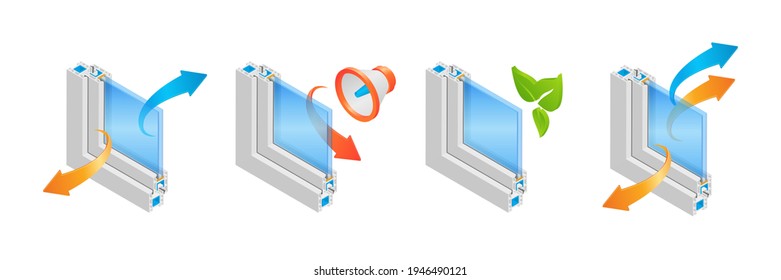
System windows offer much better insulation because they come with thermal break technology.
A thermal break is a special barrier inside the frame that stops heat from passing through the metal. This helps keep homes cooler in summer and warmer in winter—especially important in hot Indian cities or coastal climates.
Traditional aluminium windows do not usually have thermal breaks. Since aluminium conducts heat easily, these frames can make indoor spaces feel hotter or colder depending on the weather.
2. Energy Efficiency and Running Costs
Because system windows control temperature better, they reduce the load on air conditioners and heaters. With double or triple glazing, they can help save a noticeable amount on electricity bills.
Traditional aluminium windows do not offer the same energy efficiency. Without good insulation, they allow more heat transfer, which often means higher power consumption.
This is one reason system windows are becoming common in premium homes, villas, and high-performance commercial spaces across India.
3. Strength and Design Flexibility
Aluminium is naturally strong. But system windows take this strength further. Their engineered profiles allow:
- Larger glass panels
- Slimmer frames
- Wide sliding modules
- Custom façade combinations
This gives architects more freedom to design modern-looking openings.
Traditional aluminium windows are still strong but offer limited flexibility. They typically come in simple, standard shapes and may not support large glass sections very well.
Example: ALCOI’s SkyLITE lift-and-slide system supports shutter weights up to 350 kg—something traditional profiles cannot handle safely.
4. Airtightness, Water Tightness, and Weather Protection
System windows are manufactured with precision seals, engineered gaskets, and controlled assembly. This leads to:
- Fewer drafts
- Better protection during rainfall
- Reduced dust entry
- More stable indoor comfort
Traditional aluminium windows may not seal as tightly. Over time, gaps can develop, causing water leakage or air infiltration.
For Indian monsoon conditions, this difference becomes very noticeable.
5. Durability and Maintenance
Both types last long because aluminium does not rust, warp, or get damaged by sunlight.
However, system windows offer better long-term performance because their seals, joints, and thermal breaks are designed for durability. They maintain insulation and airtightness for years.
Traditional windows stay structurally strong, but their sealing and insulation quality may reduce over time.
6. Sound Insulation
System windows can use thicker glass and tighter sealing. This makes a big difference in noisy areas.
For homes near highways, markets, airports, or busy neighbourhoods, system windows keep interiors significantly quieter.
Traditional aluminium windows cannot reduce noise as effectively because of their simpler sealing and profile design.
7. Sustainability
Aluminium is one of the most recyclable materials in the world, which makes both types eco-friendly.
System windows, however, offer extra sustainability benefits:
- Reduced energy usage
- Replaceable components
- Longer lifecycle with fewer replacements
- Better indoor temperature stability
Over the span of a building’s life, system windows offer better long-term environmental impact.
Why Windows Can Be Worth the Extra Cost
People often choose system windows because they offer clear long-term advantages:
- Better insulation
- Lower electricity bills
- Modern, slim designs
- Fewer maintenance issues
- Improved comfort throughout the year
- Longer life and better value
They cost more initially but provide better returns over time—especially in high-use spaces or hot climates.
When Traditional Aluminium Windows Still Make Sense
Traditional windows remain a good choice in situations like:
- Tight budget projects
- Secondary rooms
- Temporary structures
- Properties expecting renovation soon
- Spaces that do not require high insulation
They are simple, cost-effective, and reliable for basic use.
Tips for Choosing Between System and Traditional Aluminium Windows
Here are some helpful pointers:
- Look at the climate in your area
- Check thermal and insulation ratings.
- Use system windows in the main living areas and large openings.
- Choose double or triple glazing when noise reduction matters.
- Evaluate room importance and usage patterns.
- Always buy from a trusted manufacturer with good installation experience.
Brands with proven engineering experience—such as ALCOI India—ensure consistency in performance and long-term durability.
What Clients Say
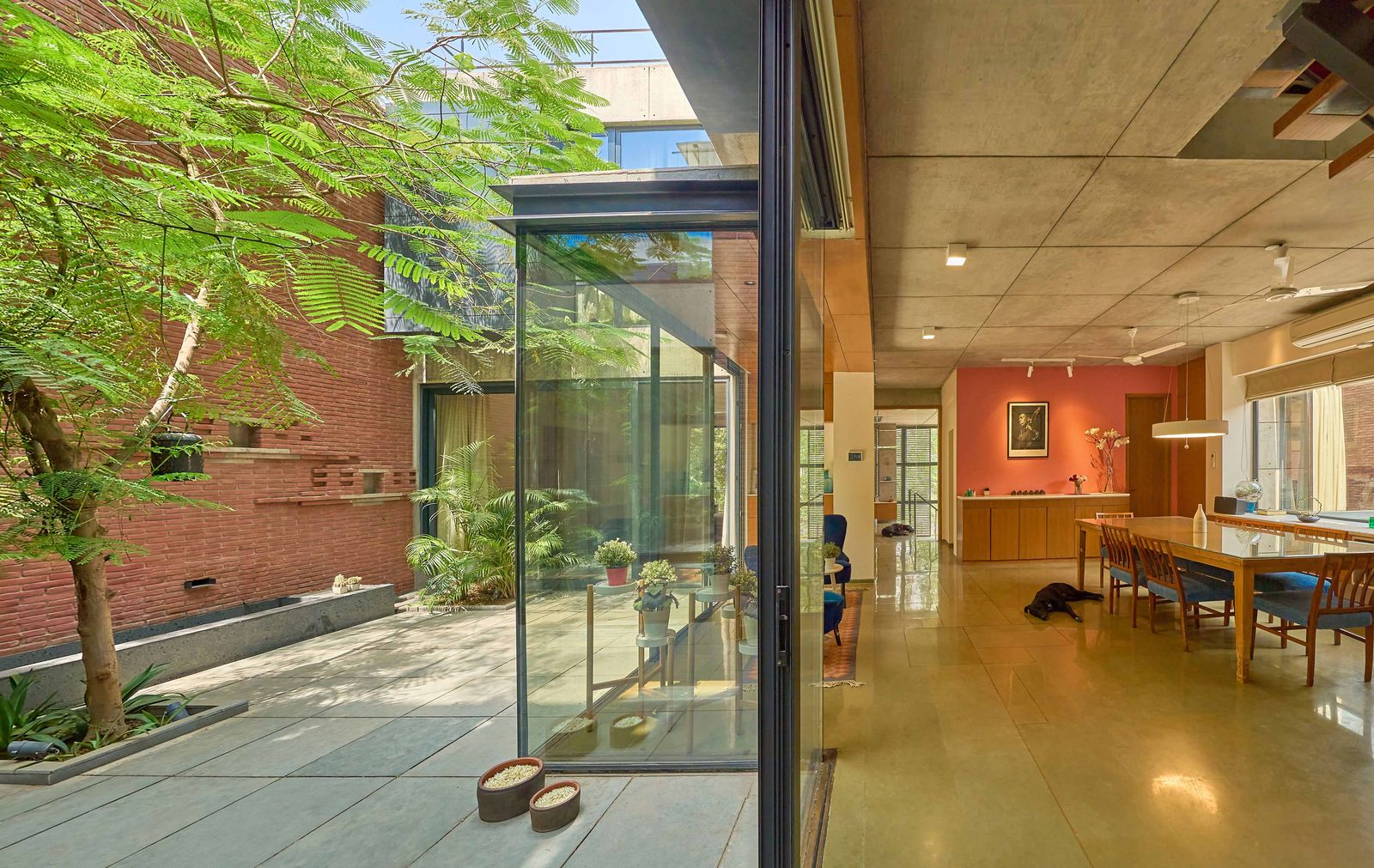
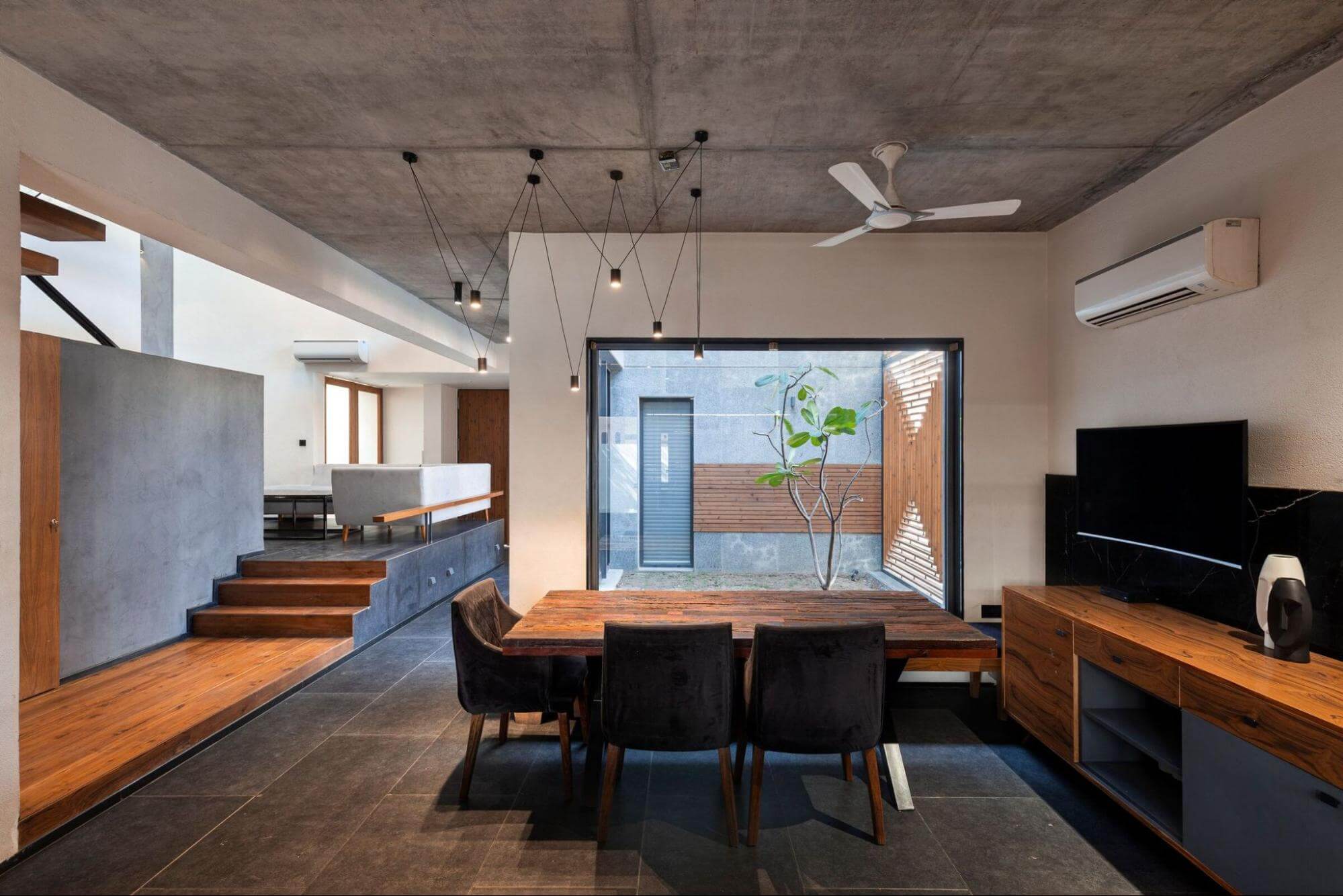
House Within
Architects: Arch.Lab
Products: AluLITE | AluBUILD
Photographer: Purnesh Dev Nikhanj
ALCOI’s systems are widely appreciated for their reliability, craftsmanship, and clean modern lines.
Across homes, villas, commercial towers, and hospitality projects, clients consistently highlight:
- The smooth operation of sliding systems
- the quiet, insulated interiors
- the detailed finishing
- the quality of installation
- The professional service throughout the project
The feedback is consistent—ALCOI systems elevate spaces while standing the test of time.
Final Thoughts
System aluminium windows and traditional aluminium windows may look similar, but they serve very different purposes.
System windows offer better insulation, sealing, strength, and long-term comfort. Traditional windows provide simplicity, durability, and a more affordable alternative.
At ALCOI India, the focus is on helping architects and builders choose windows that genuinely enhance their spaces.
The right choice—whether a high-performance system window or a reliable traditional one—will shape how your building feels, functions, and lasts. Read more – How System Aluminium Windows: Changing the Way Buildings Look in India
FAQs
1. What is the main difference between system aluminium windows and traditional aluminium windows?
System windows are engineered as a complete, tested system with thermal breaks, better sealing, and higher performance. Traditional aluminium windows use basic profiles without advanced insulation or airtightness features.
2. Are system windows worth the higher cost?
Yes, for most projects they are. System windows offer better energy efficiency, noise reduction, comfort, durability, and modern design. Over time, the savings in electricity and maintenance often make up for the higher initial cost.
3. Do traditional aluminium windows have any advantages?
Traditional windows are more affordable and work well for small spaces, temporary structures, or projects where high insulation is not needed. They are simple, durable, and budget-friendly.
4. How do I decide which type of window is right for my project?
Consider factors like climate, insulation needs, noise levels, room importance, glazing type, and long-term usage. For main areas, large openings, and premium spaces, system windows are ideal. For budget-based or secondary areas, traditional windows may be enough.
5. Which is the best premium aluminium windows and doors brand in India?
ALCOI is widely regarded as one of the leading premium aluminium window and door brands in India. With nearly two decades of experience, ALCOI offers engineered systems that combine strength, insulation, durability, and modern design. Their solutions are used in high-end homes, villas, commercial buildings, and hospitality projects across the country.