

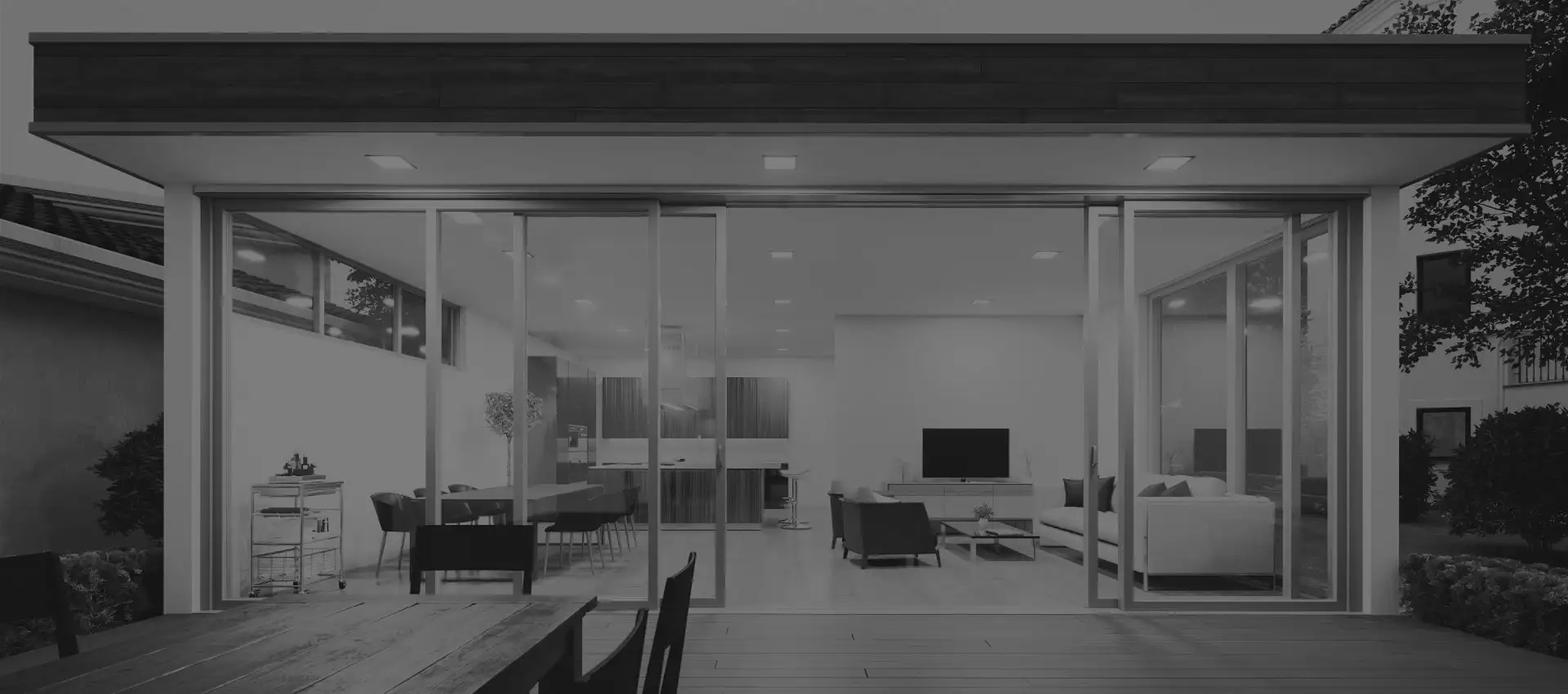

System Windows for High Rise and Luxury Buildings – A Technical Guide for Architects
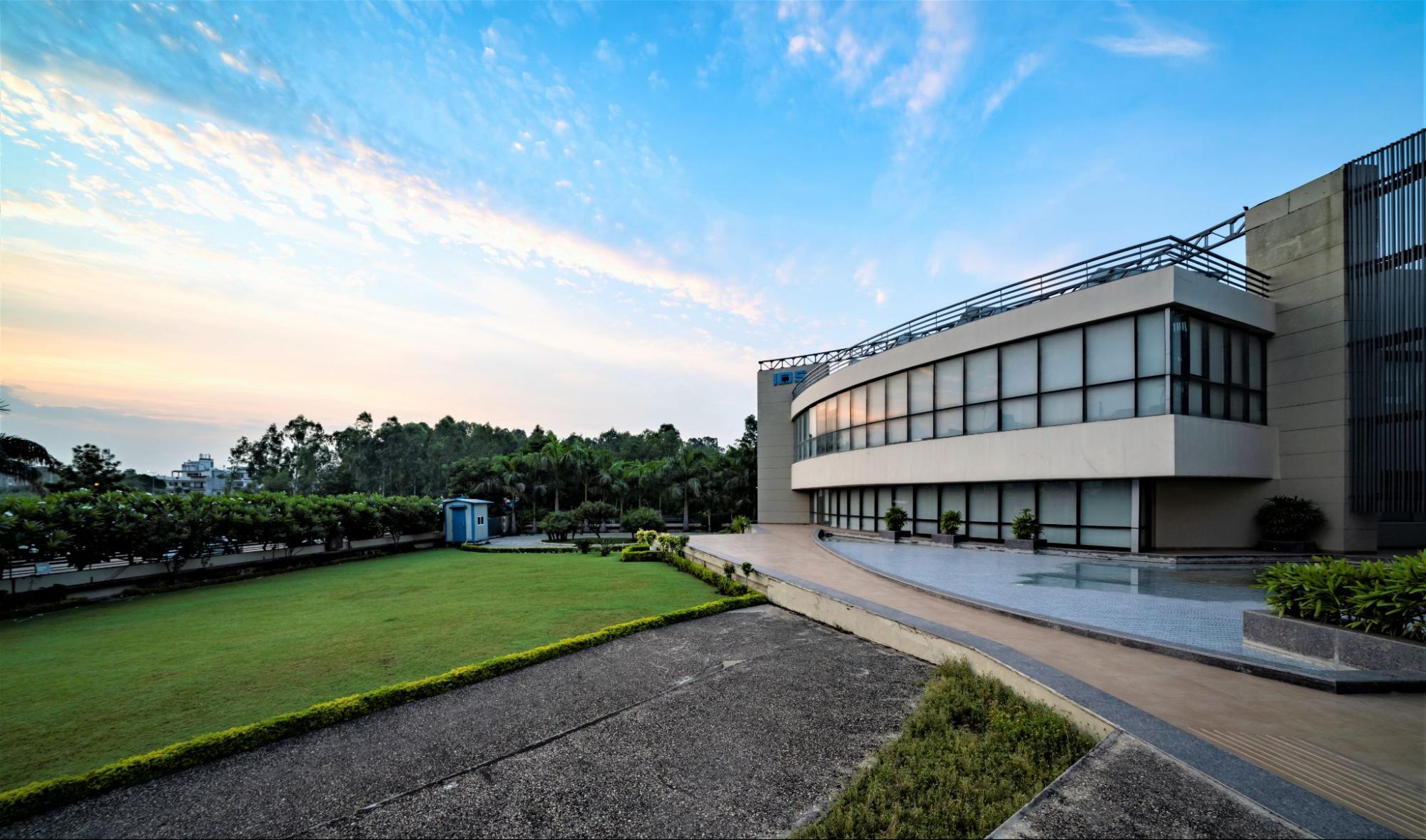
High-rise and luxury buildings define city skylines.
However, what ensures their long-term safety, comfort, and performance is not just architectural form or façade aesthetics. It is the engineering quality of each building component, especially the system aluminium windows and doors.
In tall buildings, windows are not simply glass held in aluminium frames.
They are exposed to extreme wind pressures, rapid temperature fluctuations, heavy rainfall, airborne moisture, and continuous micro-movements resulting from building sway. Ordinary aluminium windows, often fabricated locally on site using mixed components, struggle under these conditions.
Over time, they may leak, rattle, warp, or fail prematurely.
This is why system aluminium windows are critical for high-rise and premium projects. These are engineered, tested, and manufactured as complete fenestration systems with predictable and verifiable performance.
This guide explains what system windows are, why they matter in tall and luxury buildings, and how architects can select the right aluminium window systems with confidence.
What Makes a Window a System Window
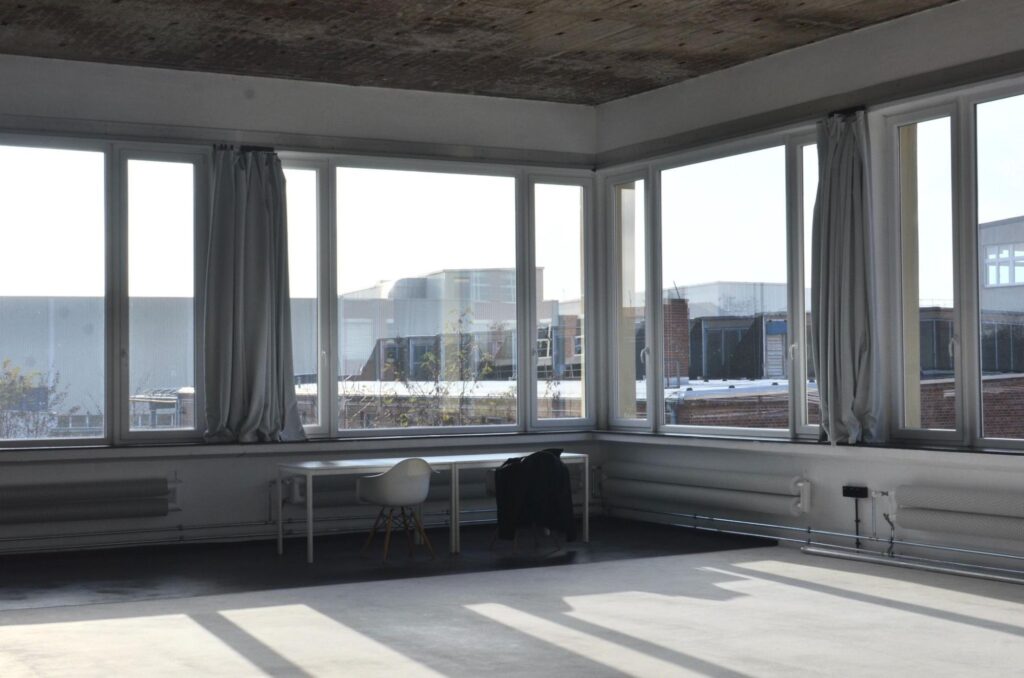
A system window is not just an aluminium profile combined with glass. It is a fully engineered fenestration system, designed and validated as a complete unit.
Engineered Aluminium Profiles
Profiles are designed with precise geometries, internal chambers, and controlled tolerances.
This ensures structural strength, resistance to deflection under wind load, and consistent performance across large window openings common in luxury towers.
Tested Hardware and Accessories
Handles, rollers, hinges, locking mechanisms, and sealing components are cycle-tested to ensure durability over years of use. High-quality hardware is especially critical in aluminium sliding windows and doors, where large glass panels place a constant load on moving components.
Certified System Performance
Complete aluminium window systems are tested in certified laboratories for:
- Air tightnes
- Water tightness
- Wind load resistance
- Structural safety
These tests validate how the system performs as a whole, not just as individual parts.
Controlled Manufacturing and Assembly
Unlike on-site fabrication, system windows are manufactured under controlled factory conditions. This ensures the installed product matches the tested design, reducing variability, workmanship errors, and long-term maintenance risks.
Key Engineering Requirements in High-Rise Projects
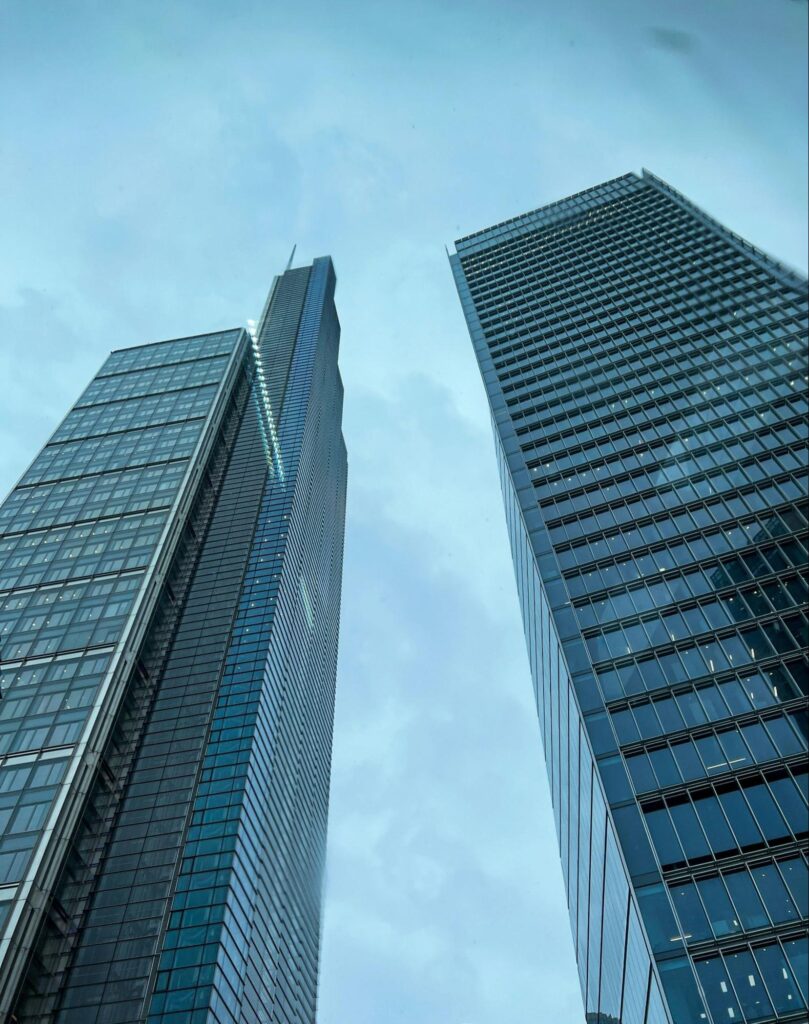
Wind Load Resistance
Wind pressure increases significantly with height. System windows are tested under standards such as EN 12210 or equivalent benchmarks to ensure aluminium window frames do not deform or leak under extreme conditions.
Water Tightness
Wind-driven rain is a major challenge in tall buildings. Tested aluminium and glass windows are designed with pressure-equalised drainage paths and sealing strategies to prevent water ingress even during storms.
Air Infiltration Control
Poor air sealing leads to dust entry, heat loss, and discomfort. Certified aluminium window systems meet defined air infiltration limits, improving indoor comfort and energy efficiency.
Acoustic Insulation
Luxury residential and commercial towers often face traffic and urban noise. Proper glazing combinations, laminated glass, and sealed frames significantly improve acoustic performance.
Fire Safety and Compliance
Windows influence smoke movement and compartmentation. In high-rise design, fire-rated glazing and compliant installation details are essential for safety and regulatory approval.
Material and Component Specifications That Matter
 Aluminium Grades and Surface Treatment
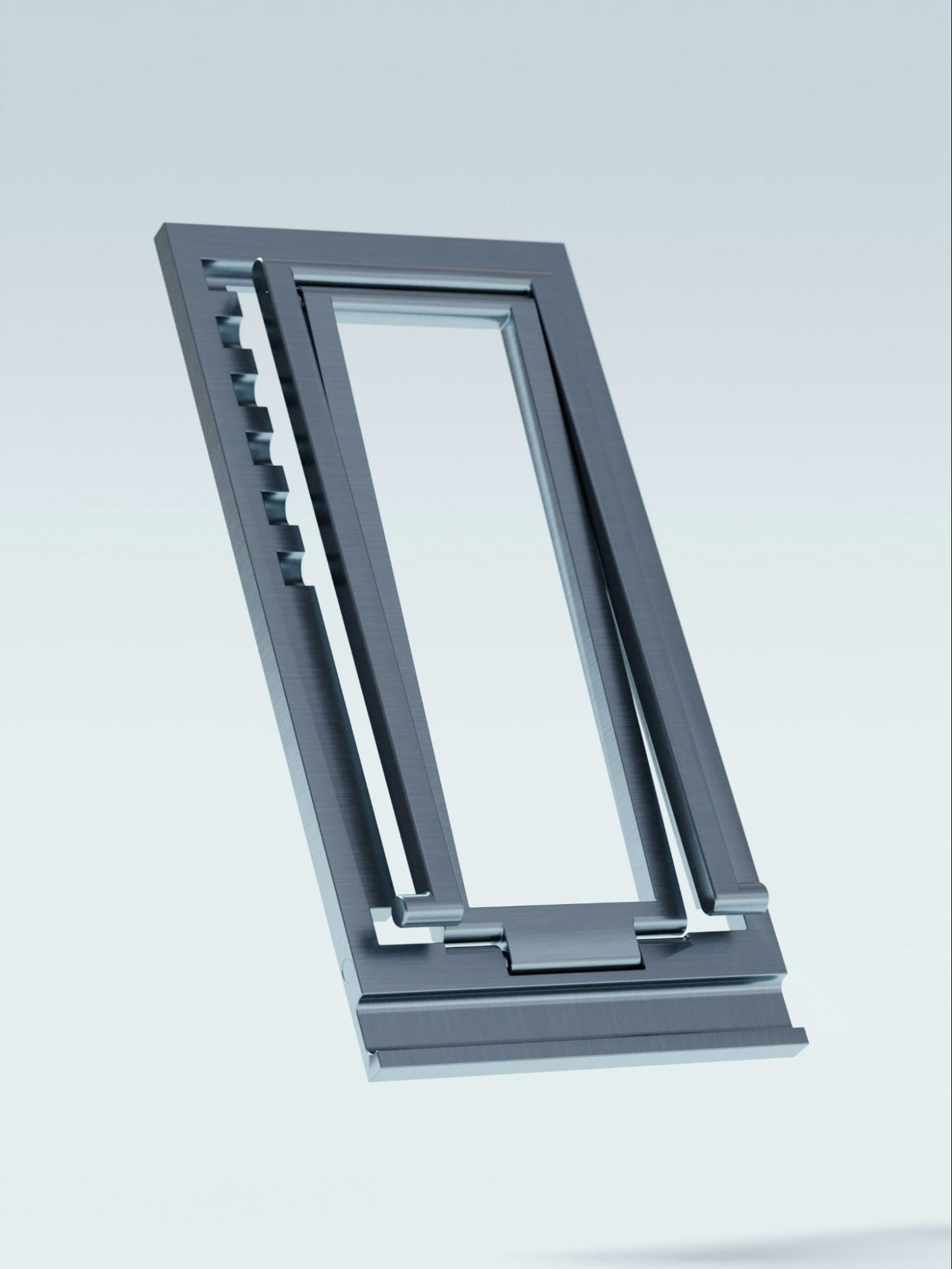 Aluminium Grades and Surface Treatment
High-strength, corrosion-resistant aluminium alloys ensure durability, especially in coastal or high-humidity environments. Quality surface finishes also improve long-term appearance.
Thermal Break Technology
Thermal break aluminium window systems reduce heat transfer between indoors and outdoors. This is critical for energy efficiency in luxury buildings with large glass areas.
Glass Selection
- Double or triple glazing improves thermal and acoustic performance.
- Low-E coatings reduce solar heat gain.
- Laminated glass enhances safety and noise reduction.
Hardware and Sealing Systems
Premium rollers, hinges, locks, and gaskets directly affect usability and lifespan. These components are central to the performance of aluminium sliding doors, aluminium sliding windows, and large glass openings.
Installation Challenges in High-Rise Buildings
Building Drift and Structural Movement
Tall structures move slightly due to wind and live loads. Aluminium window systems must accommodate this movement without transferring stress to glass or frames.
Pressure Differentials at Height
Changes in air pressure can strain seals and joints. Tested system windows are designed to manage these conditions without performance loss.
Waterproofing at Interfaces
Junctions between wall, frame, and façade are critical. System windows often include integrated installation and waterproofing details tested for real-world conditions.
Common Types of Aluminium Window Systems Used
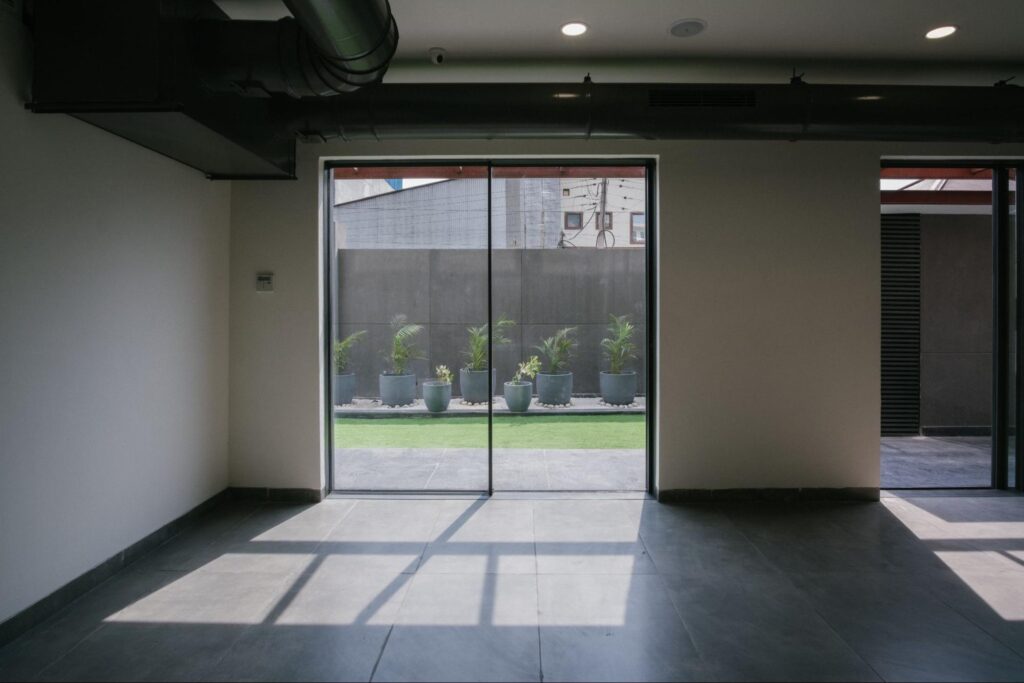
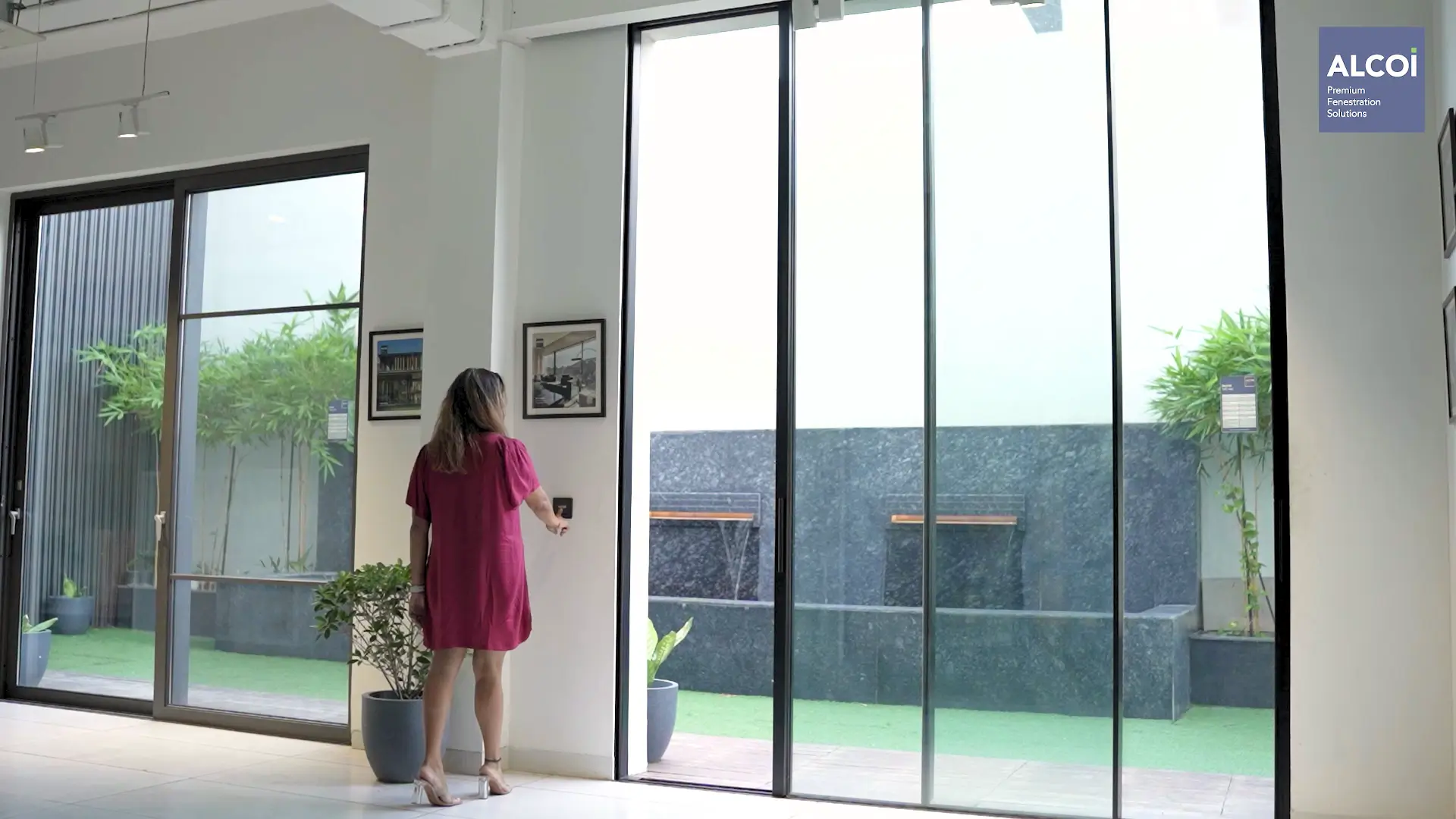
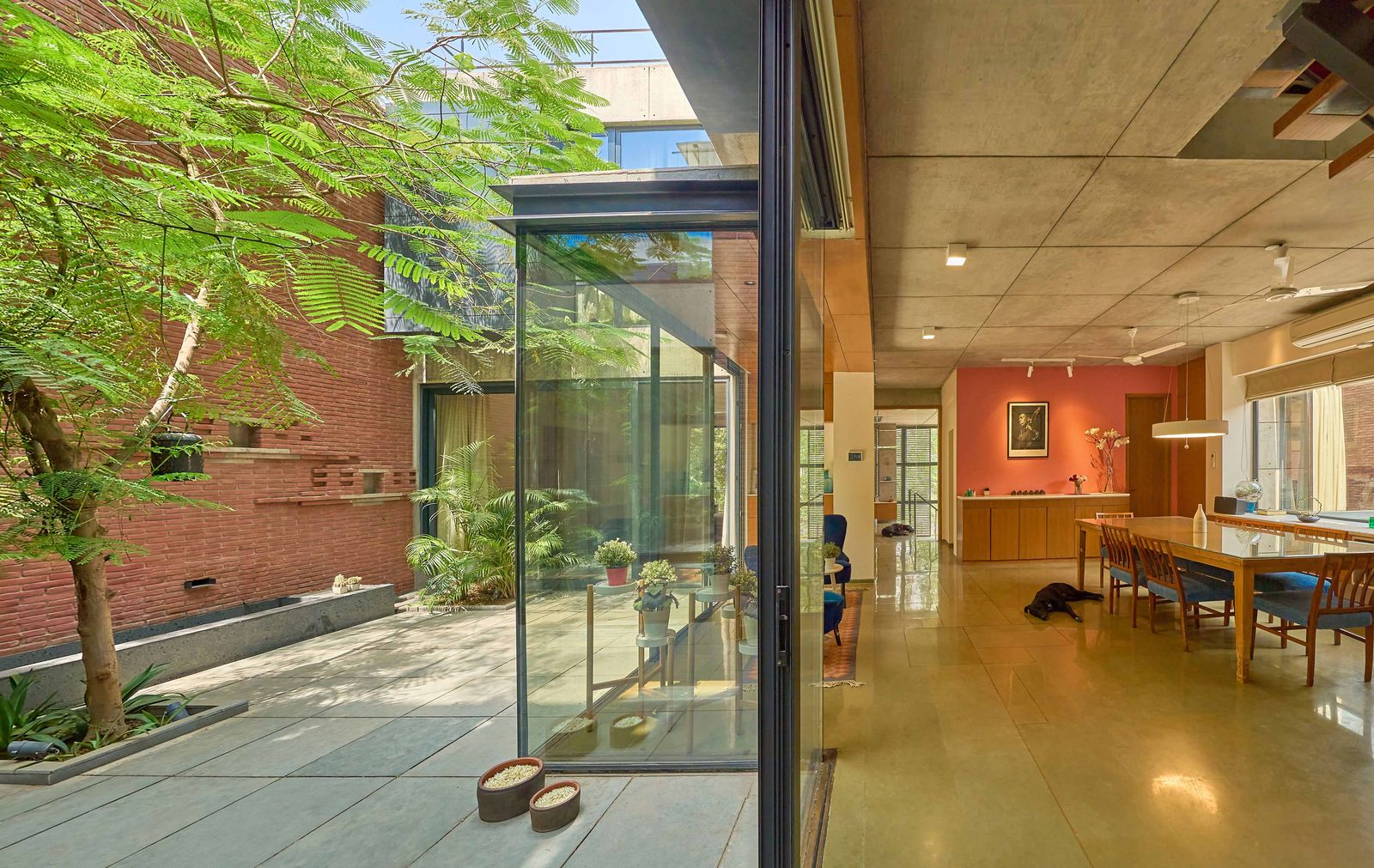
- Aluminium Sliding Windows and Doors
Ideal for large spans and uninterrupted views. Must be engineered for smooth operation despite heavy glass loads. - Casement Aluminium Windows
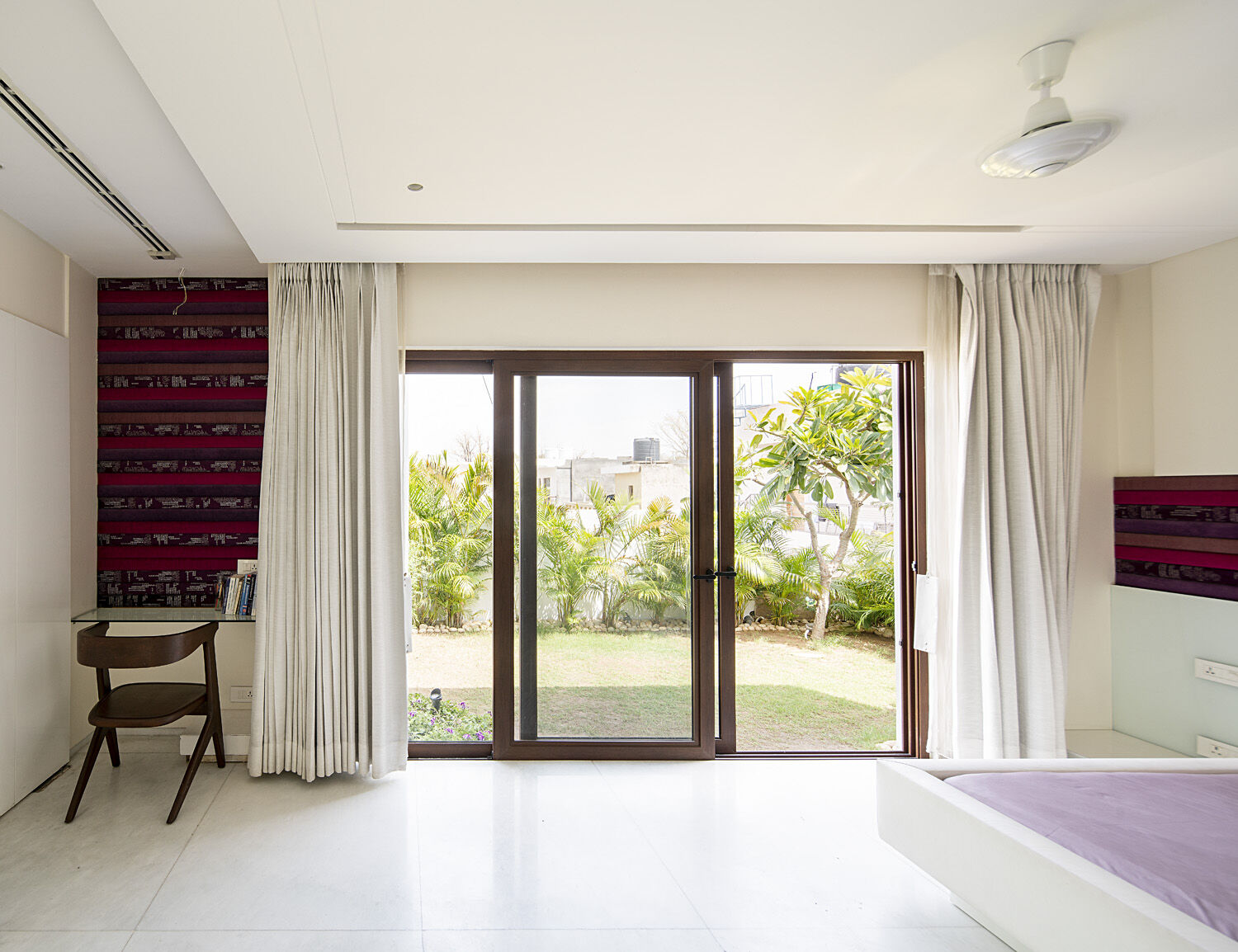
Offer strong sealing and controlled ventilation, suitable for bedrooms and living areas. - Tilt and Turn Systems
 Tilt and Turn Systems
Provide safe ventilation, ease of cleaning, and high sealing performance.
- Parallel Push-Out Systems
Allow ventilation without compromising safety in high-rise applications.
Why System Aluminium Windows Are Essential for Premium Buildings
System windows are not a luxury add-on. They are a technical necessity for high-rise projects because they deliver:
- Safety: Verified performance under wind, rain, and structural movement
- Consistency: Predictable behaviour backed by laboratory testing
- Lower Maintenance: Precision manufacturing reduces long-term issues
- Design Integrity: Large openings and clean lines without performance compromise
Choosing Aluminium Window Brands in India for High Rise Projects
Not all top aluminium window brands in India offer true system solutions. For tall and luxury buildings, architects should evaluate manufacturers based on engineering depth, testing, and manufacturing capability.
What to Look For in a Window Manufacturer
- Documented testing reports for air, water, and wind performance
- Controlled manufacturing processes rather than on-site fabrication
- Technical support during design, specification, and installation
- Proven use of aluminium window systems in high-rise or luxury projects
Brands such as ALCOI India, which focus on engineered fenestration systems, offer aluminium windows and doors designed specifically for demanding architectural applications.
Checklist for Architects and Specifiers
Before finalising a window supplier, confirm:
- Availability of full system test reports
- Compatibility of aluminium window frames with project wind loads
- Quality of hardware and sealing components
- Clear distinction between system windows and locally fabricated products
Conclusion
In high-rise and luxury buildings, windows must do far more than allow light and views. They must withstand wind pressure, resist water ingress, reduce noise, and perform reliably for decades.
Ordinary aluminium windows often fall short because they are not engineered or tested as complete systems.
System aluminium windows and doors solve this by combining engineered profiles, tested hardware, certified performance, and controlled manufacturing.
For architects and developers, choosing the right aluminium window system from a technically capable manufacturer ensures that design intent is supported by real-world performance. In premium buildings, windows are not an afterthought.
They are a foundation of safety, comfort, and long-term value.
FAQs
Why are system aluminium windows important for high-rise buildings?
High-rise buildings experience strong wind pressure, heavy rain, noise, and constant structural movement. System aluminium windows are engineered and tested to handle these conditions safely, unlike locally fabricated windows.
What is the difference between system aluminium windows and normal aluminium windows?
System windows are designed, tested, and supplied as complete aluminium window systems. Normal aluminium windows are usually fabricated on site using mixed components and are not performance-tested as a unit.
Are system aluminium windows mandatory for luxury buildings?
They may not always be legally mandatory, but they are strongly recommended for luxury and high-rise projects due to predictable performance, durability, and lower maintenance risk.
How can architects verify if an aluminium window system is tested?
Ask for laboratory test reports covering air tightness, water tightness, and wind load resistance for the complete window system. Reputed aluminium window manufacturers provide this documentation.
How do aluminium sliding doors and windows perform in tall buildings?
When engineered as system solutions, aluminium sliding windows and doors perform reliably even with large glass panels, provided the profiles, hardware, and installation details are correctly specified.