


How Aluminium Windows Improve Structural Stability in Modern Buildings
Take a look at modern buildings today.
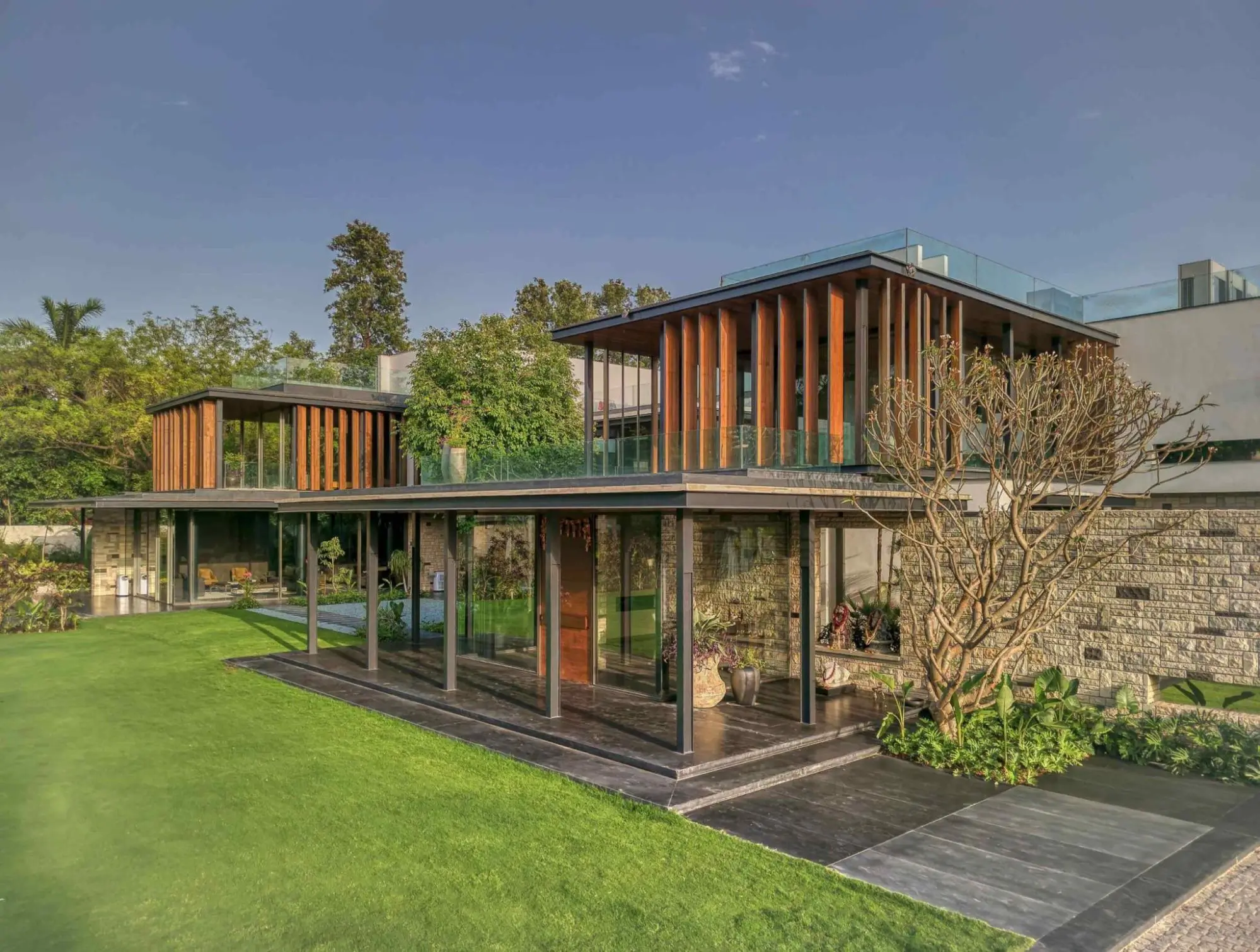
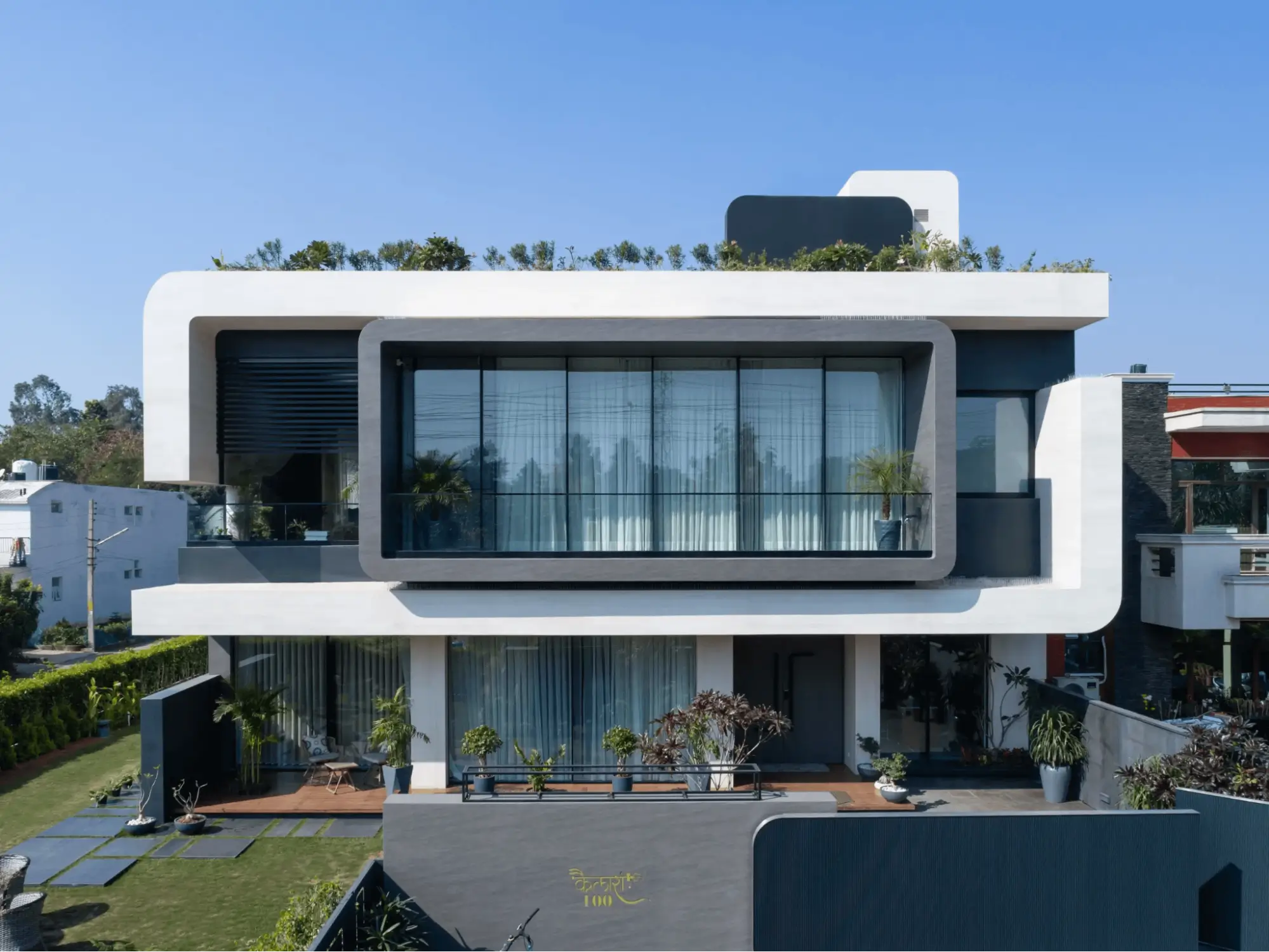
Bigger windows. Taller glass panels. Entire walls made of glass.
It looks beautiful. Open. Minimal. Premium.
But behind that design, there’s a serious question most people don’t think about.
How does the structure handle it?
Because when you increase window sizes, you’re also creating larger openings in the building. And every opening affects structural stability.
That’s where aluminium window systems come in.
They’re not just design elements anymore. They play a real role in how a building performs over time.
The Structural Role of Windows in Buildings
Windows are often seen as simple openings.
But structurally, they do much more.
Every time you create a window opening in a wall, you’re interrupting the load path. The building has to redistribute forces around that opening.
That’s where the window frame becomes important.
A strong, rigid frame helps maintain stability around the opening. It supports the glass, holds its shape under pressure, and works as part of the building envelope.
If the frame is weak, you start seeing issues over time.
Misalignment. Cracks around the edges. Leakage. Even structural stress.
So yes, windows are not just about light and ventilation. They are part of the structure.
Why Aluminium Is Structurally Reliable
High Strength-to-Weight Ratio
Aluminium is lightweight, but strong.
This makes it ideal for large window systems. It can support heavy glass panels without adding unnecessary load to the structure.
Resistance to Warping and Deformation
Unlike wood, aluminium doesn’t expand or shrink with moisture. Unlike some materials, it doesn’t bend easily under pressure.
It holds its shape.
And that consistency matters in long-term structural performance.
Long-Term Structural Stability
Aluminium doesn’t crack, swell, or degrade the way other materials can.
With proper finishing and installation, it maintains its strength for years, even in tough conditions.
Aluminium Window Systems vs Traditional Window Materials
Let’s compare this practically.
Aluminium vs wood
Wood looks good, but it reacts to moisture and weather. Over time, it can swell, crack, or weaken.
uPVC is lightweight and cost-effective, but it has limitations when it comes to large openings and structural strength.
Aluminium’s advantage
Aluminium handles larger spans better. It offers higher rigidity and supports modern architectural designs without compromising stability.
That’s why most large window systems today use aluminium.
Supporting Large Glass Panels in Modern Architecture
Modern design is moving towards bigger glass areas.
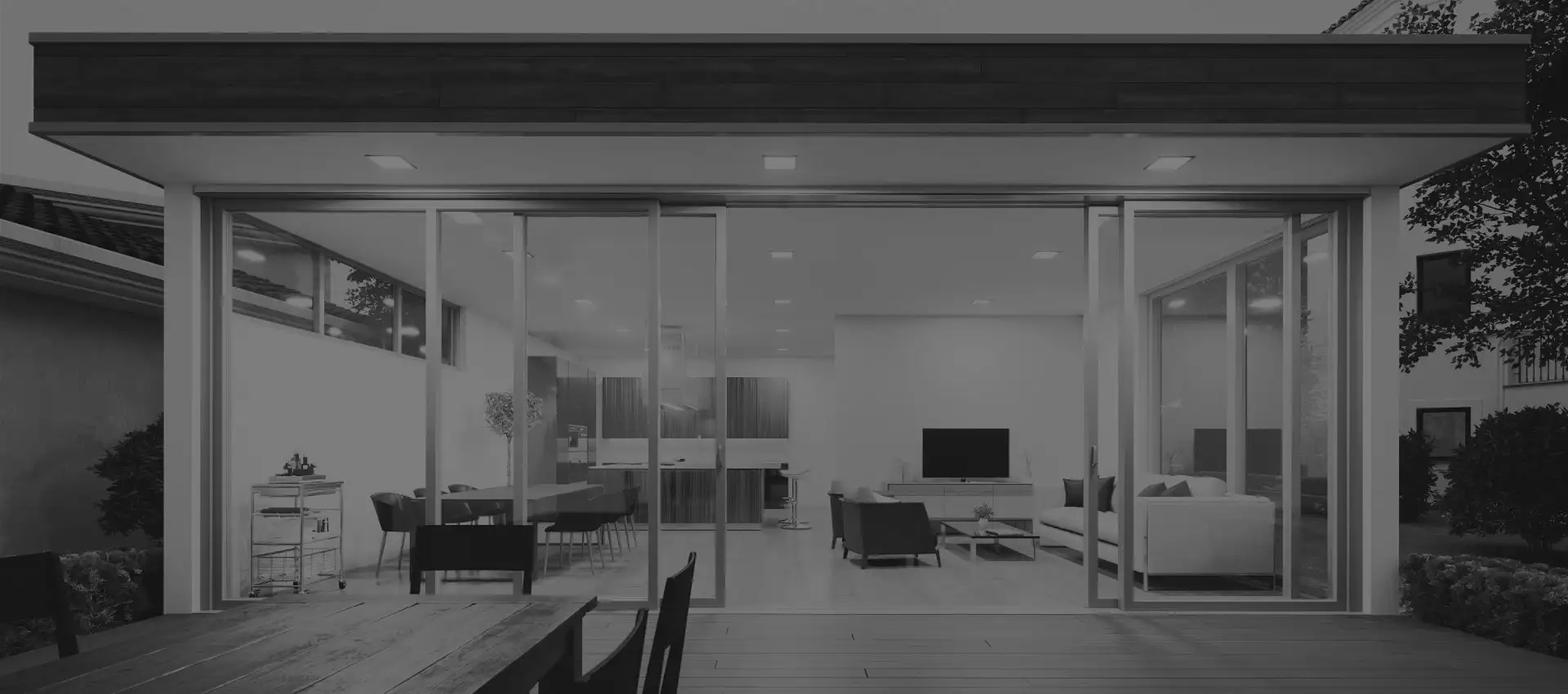
Floor-to-ceiling windows. Wide sliding doors. Glass façades.
But glass itself cannot carry structural loads.
It needs support.
Aluminium frames act as that support system. They hold the glass securely, distribute loads evenly, and ensure the entire system remains stable.
In large openings, even small structural weaknesses can become major issues.
That’s why engineered aluminium systems are used. Not just for design, but for safety.
Performance in High-Rise Buildings
High-rise buildings face a different level of stress.
Wind pressure increases with height. Upper floors experience constant force against windows.
In such conditions, the window system must be rigid and well-anchored.
Aluminium window systems are designed to handle this.
Strong profiles resist bending. Proper anchoring connects the frame securely to the structure. Sealing systems prevent air and water leakage under pressure.
In high-rise buildings, window performance directly affects comfort and safety.
Why ALCOI Aluminium Window Systems Offer Superior Structural Performance
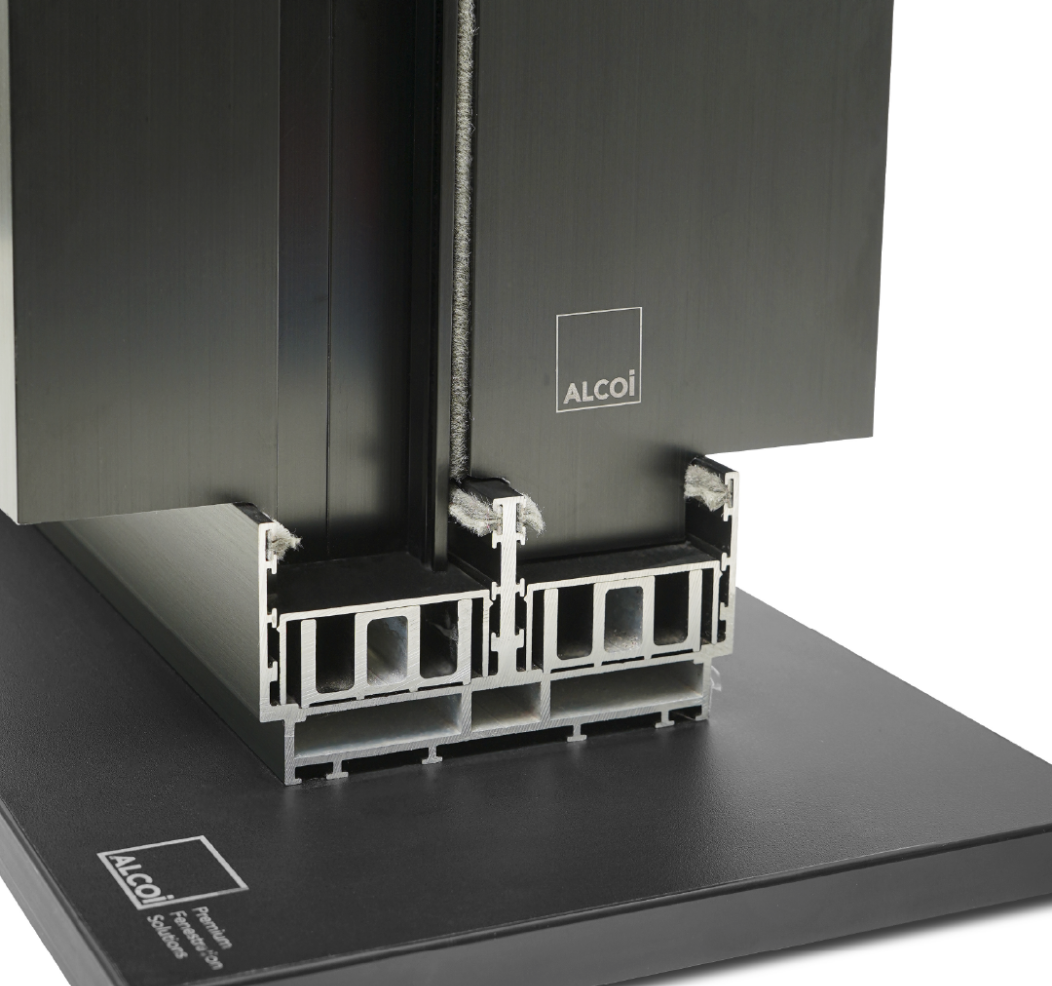
When it comes to structural performance, details matter.
ALCOI focuses on engineered aluminium window systems designed for strength and precision.
The profiles are built to handle load without compromising the slim design. Hardware systems ensure proper locking and alignment. Manufacturing follows controlled processes to maintain accuracy.
The systems are also designed to work with modern architecture: large openings, clean lines, and high-performance requirements.
Because in real projects, it’s not just about design drawings. It’s about how everything performs after installation.
Architectural Advantages of Aluminium Window Systems
Beyond strength, aluminium offers flexibility.
Slim profiles allow more glass while still providing strong support.
Architects can design larger openings without worrying about bulky frames.
It integrates well with curtain wall systems and modern façades.
So you get both structural reliability and design freedom.
Conclusion
Modern buildings are changing.
Larger openings. More glass. Cleaner designs.
But behind all of this, structural stability becomes even more important.
Aluminium window systems help bridge that gap. They support large glass panels, maintain rigidity, and perform reliably under pressure.
They’re no longer just windows. They’re part of the building’s structural system.
And when designed and installed correctly, they quietly do their job every single day without you even noticing.
FAQs
Are aluminium windows strong enough for modern buildings?
Yes, aluminium windows are strong enough for modern construction. They have a high strength-to-weight ratio, which means they can support large glass panels without adding excessive load, making them ideal for contemporary designs.
How do aluminium windows support large glass panels?
Aluminium frames are engineered to hold and distribute the weight of glass evenly. Their rigidity prevents bending, while proper anchoring ensures the entire system stays stable, even with floor-to-ceiling or wide openings.
Are aluminium windows suitable for high-rise structures?
Yes, aluminium window systems are widely used in high-rise buildings. They are designed to handle wind pressure, maintain structural stability, and provide proper sealing against air and water infiltration.
Do aluminium frames expand or deform over time?
Aluminium may expand slightly with temperature changes, but it does not warp, crack, or deform like wood or other materials. With proper design and installation, it maintains its shape and performance for years.
Why are aluminium windows preferred in modern architecture?
They allow slim profiles, larger glass areas, and clean designs while still offering strength and durability. This makes them perfect for modern buildings that focus on openness, natural light, and minimal aesthetics.